HAVE ANY QUESTIONS? CLICK HERE

CONCIERGE SERVICE
Monday - Sunday
8:00am - 8:00pm
SCHEDULE A VISIT
Tour any of our communities. Click here to get started.
CORPORATE OFFICE
162 College Highway
Southampton, MA 01073
Our Community Blog
Friday, 03 July 2026 13:21
Does My Aging Parent Need Nursing Home Care or Assisted Living?
Written by Karen M. Rider
When Dan and his wife, Erin* realized they needed to consider supervised care for his father, Gene who was showing signs of memory loss and reduced mobility, they weren’t sure where to begin. Searching online, they found plenty of options for older adult living within a 2-hour drive of their home. But they were overwhelmed by the information. In particular, they didn’t objectively understand the difference between nursing home care and assisted living care.
Though not a widely researched topic, surveys have shown that Dan and Erin are not alone in their confusion: Whether as a matter of marketing or geographic preference, different names are often used to describe types of residential care for older adults. For example, nursing homes may also referred to as long term care facilities, skilled nursing facility, or homes for the aged.
In reality, there are two broad categories of care settings for older adults:
- nursing homes
- assisted living communities
Understanding the differences between a nursing home and an assisted living community can make the process of choosing elder care less stressful and more reassuring for your family.
What type of care is provided at a Nursing Home?
Nursing homes are legally permitted to provide extensive, 24-7 nursing and medical care under the supervision of a practicing physician and medical specialists. This care is somewhat similar to (but more extensive than) hospital care and can include:
- near-constant monitoring of individuals who have significant physical and/or cognitive impairment and serious medical conditions
- round-the-clock nursing care
- assistance with personal hygiene, toileting, dressing, cleanliness of room
- various types of physical rehabilitation / therapy (speech, hearing, cognitive)
- social-emotional therapeutic services
- meals are provided according to the medical needs of each patient, similar to a hospital stay
- visitation hours are not open-ended but are similar to hospital visiting hours
- recreational and social programs are limited and may not be provided at all depending on a person’s health condition(s)
Importantly, families need to understand that nursing home care is a custodial arrangement in which the medical staff are the custodians of care for the older adult. In a custodial arrangement, the room to which your loved one is assigned is not their private, personal space. Medical staff and other personnel may enter the room at any time of the day or night.
The length of an individual’s stay at a nursing home can be a short-term (several weeks) or long-term (months or years). Some individuals may transfer into and out of nursing home care based on reoccurrence of medical symptoms/complications that cannot be sustained in hospital care.
What type of care is provided at an Assisted Living Community?
An assisted living community describes older adult care found on a continuum and often referred to as Continuing Care Retirement Communities (CCRC). These communities are licensed to offer different levels of healthcare and wellness care to support the quality of living for older adults as their needs change over time, including physical, medical, social and emotional, and spiritual needs.
Older adults who reside within an assisted living community are considered independent to the extent that they are capable of participating in and, at the least, partially managing their basic daily living needs within their private living quarters. The extent of assistance needed is a determining factor in cost to reside at an assisted living community.
Assisted Living Communities provide a wide array of services based on iwhat is needed by a resident. Services can include:
- Meals provided and/or restaurants on site
- Recreational areas indoors and out
- Entertainment and enrichment programs
- Concierge services
- Shared common areas for activities
- 24-hour medical staff accessible to all residents regardless of level of independence
- Personal hygiene assistance (dressing, bathing)
- Medication reminders
- Housekeeping
- Laundry
- Transportation
- Security
Assisted living communities focus on preserving an older adult’s well-being and uphold a resident’s right to personal privacy, autonomy, and dignity while promoting community and family involvement.
Assisted living centers do not employ a custodial arrangement. Rather, the older adult’s living space (usually an apartment style set-up) is considered a private residence. As such, an older adult enters the community as an active and independent resident who needs minimal assistance, but should their health decline in a way that prevents truly independent living, the community provides a transition to stepped-up care. This can include receiving help with daily living activities, physical rehabilitation and adaptations in their same living space – or transitioning to more medically intensive long-term care services such as Memory Care or skilled nursing (with appropriate permits as required by law).
In the broadest sense, nursing homes focus strictly on medical care – from short-term rehab to long-term ongoing medical care. Assisted living is focused on supporting the evolving health and wellness needs of older adult residents for the duration of their “golden years”.
How do I know if my aging parent needs placement in assisted living or a nursing home?
Foremost, the type of care an aging parent needs will be determined by their medical needs, as indicated by their healthcare provider. Additionally, the extent to which they require help managing their health and personal business, is a significant factor in deciding type of care for an aging family member:
- What is the extent of their physical or cognitive impairment? Is it short or long-term?
- Can they manage their medication regiment on their own?
- What is their medical prognosis?
- If their condition is likely to worsen over time, which means the care they need now will change in months or years, can you step in to help?
- Will the facility they start out at be able to provide care for changing needs or will you need to relocate them to a different type of facility?
Choosing the Right Care for an Aging Parent
Ultimately, Dan and Erin had many conversations with Gene’s physicians to understand Gene’s functional limitations now and would things would likely be in the months and years ahead, with his failing memory a top concern. They also used an eldercare mediator to help explain to Gene the reasons why he could not remain at home alone. Together, they toured several assisted living communities with a preference for those with social programs and wellness activities that aligned with Gene’s friendly nature, but most importantly with progressive stages of memory care and on-site physical therapy for when his medical conditions further decline.
Even an older adult who is mostly independent in their self-care, today, will encounter times when their healthcare needs become too extensive for living on their own. You may want to choose an older adult community like Everbrook Senior Living, which provides transitional care to support your loved one as their health and wellbeing changes over time.
Resources
Connecticut Assisted Living Association Resource Guide
How to Choose Assisted Living or Nursing Home
National Institutes of Health: Residential Facilities, Assisted Living, and Nursing Homes
Helpful Guidance for Managing Older Adult Long-Term Care
Eldercare Locator
Ph: 800-677-1116
This email address is being protected from spambots. You need JavaScript enabled to view it.
You can also call or search online for your local Area Agency on Aging or Department of Human Services.
*Names changed to protect identity
Published in
Educational
Tagged under
Wednesday, 03 June 2026 12:21
Father’s Day Activities for Every Generation to Enjoy, Together
Written by Karen M. Rider
When you come to visit Dad at an Everbrook Senior Living Community, you’ll be near activities perfect for celebrating Father’s Day with every generation – dad, sons, and grandsons alike! We’ve compiled a short list of things to do to celebrate with the special men in your life.
Find Adventure near Cedarbrook Village – Ware, MA
Combine a family picnic with the thrills and chills of a day at Six Flags New England! Located amid the mountains of Western, MA, Six Flags is a family destination with something for the youngest grandkids to dear ole’ pop! Scenic picnic grounds provide shade, while water rides offer a cool respite from walking the park and taking on the coasters. Six Flags is also well known for fabulous shows featuring aspiring actors, singers, and dancers – and wildlife, too! If you want something with a little more splash, reserve your spot at Great Wolf Lodge indoor water resort. You can enjoy these parks as a daytrip, returning to Cedarbrook Village by nightfall, or make it an overnight by staying at one of the nearby hotels, B&B, lodges or retreat centers. Whatever you decide, Dad is sure to enjoy the quality time with the fam the shopping, museums, and dining to suit every taste in the surrounding villages of Lenox, MA.
Links, Lakes, and Berries near Colebrook Village – Hebron, CT
Dads and family can enjoy golfing, boating, and berry picking in various spots near Colebrook Village, Hebron, CT. The Flour Girl Café is the spot to stop for breakfast and fresh brewed, before heading out to the fairway, waterfront, or trailways. Dad and the fam can fish, canoe, or hike at Salmon River State Park or Gay City State Park. Breakfast and berry picking is a great a option with three nearby farms, including Rose’s Berry Farm, Pesce Farm, and Bastiani Blueberry Farm. Want to stay indoors but still have a little adventure with dear ole’ dad, venture a little further south to the Essex Steam Train and Riverboat.
Trails, a Spa Day, and Museum Hopping near Elmbrook Village – Bozrah, CT
Dad and the fam can spend the day hiking and/or fishing on Gardner Lake at Hopmead State Park or enjoy a picnic at Yantic Falls. If you can venture a short drive south for dining—and perhaps a spa day—schedule in at advance with the Norwich Inn and Spa. For the history buff, Dad will enjoy Slater Memorial Museum, Tantaquidgeon Museum, Mashantucket Pequot Museum, or the Blue Slope Country Museum. If Dad happens to be a card shark, you have a few casinos in the area to choose from: Mohegan Sun and Foxwoods Resort and Casino both feature dining and shows. This is not kid-friendly, but there is a Great Wolf Lodge in nearby Mashantucket, CT.
Take Flight near Stonebrook Village – Windsor Locks, CT
You’ll find outdoor activities throughout the area surrounding Stonebrook Village (e.g., Windsor Locks State Canal), but the real pride of Windsor Locks isn’t found on the trail or water. It’s the New England Air Museum where dad and the fam can sit inside historic warbirds and modern jets, learn about aviation history, and take off in flight simulators. Several special events are held throughout the year. For Father’s Day, don’t miss Open Cockpit Day with special activities and live music!
Castles, Gardens & the Sea near Islebrook Village – Wiscasset, ME
There’s more than meets the eye outside the grounds of Islebrook Village in Maine. You’ll want to plan ahead for your Father’s Day outing in this area. Within a short drive you’ll find historic sites such as Castle Tucker, once owned by a 19th century sea captain or the Pemaquid Point Lighthouse and Learning Center (c. 1827). In Boothbay Harbor, be sure to bring your camera when you visit the Coastal Maine Botanical Garden and the Railway Village. After sightseeing on land (or if you prefer by boat – there are several charters for tours as well as whale watching in the area), be sure to dine on the wharf at McSeagull's Restaurant, famous for their classic lobster roll or for an upscale seafood experience with harbor views, make a reservation at Coastal Prime.
Revitalize with Dad in the Mountains or Vineyards Near Hillsbrook Village – Allenstown, NH
The quintessence of small-town New England life, the village of Allenstown makes for a wonderful respite for Father’s Day for the family. Just about any weekend during the summer months, you’ll find a craft fair or local festival to enjoy, including the annual, magical fairy festival in June. For the history buff, bring Dad to the Civilian Conservation Corps Museum or the Old Meetinghouse. If antiquing is Dad’s hobby, there’s treasure to be found at local shops and tag sales alike. If the family loves the outdoors, Bearbrook State Park is resplendent with trails for mountain biking, hiking, and horseback riding. Boat rentals are available at nearby Beaver or Catamount Pond where Dad and the grandkids can fish. There’s also an archery range for all ages.
Something for Everyone When Visiting a Loved One at an Everbrook Senior Living community
There’s something for every dad and grandad within reach of an Everbrook Senior Living Community. So come visit, perhaps starting your visit enjoying activities on property before taking dad out with the family.
For more information about Father’s Day activities at and nearby your loved ones Everbrook Senior Living Community, check out the municipal website pages for each town, or get in touch with us.
Published in
Information
Tagged under
Thursday, 07 May 2026 13:54
Eldercare Mediators Guide Families Through Difficult Decisions with an Aging Family Member
Written by Karen M. Rider
Navigating important healthcare, financial, and end-of-life planning with an aging family member can be a difficult and heartbreaking process. Even as you’re trying to safeguard your loved one’s dignity, privacy, and independence, the emotional weight of the situation can sometimes lead to contentious interaction between an elderly parent and their adult children. Should you recognize the bond between family members becoming strained—and better still, to prevent even getting to that point—consider working with an eldercare mediator to guide your family through decision making with an aging family member.
What is an eldercare mediator?
An eldercare mediator is a trained professional who acts as a confidential resource and impartial facilitator for families as they navigate aging-related healthcare, lifestyle, and financial decisions. Unlike a judge or arbitrator, eldercare mediators do not make decisions for you or your loved one; instead, they family members navigate options and reach agreement on the best path forward for their loved one’s care. Eldercare mediators also focus on preserving the bond between family members.
What roles does an eldercare mediator have when working with families?
- Mediators Act as Neutral Party: They do not take sides or advocate for one specific family member.
- Mediators Build a Communication Bridge: They help lower the emotional "temperature" so everyone can be heard.
- Mediators Focus on Problem Solving: They assist families in finding practical, mutually agreeable solutions.
- Mediators Empower Family Members: They often ensure the senior's own voice and wishes are central to the discussion.
What are the benefits of using an eldercare mediator?
- Privacy: Mediation sessions are confidential, unlike public court proceedings.
- Cost-Effective: Mediation is often much less expensive than hiring separate attorneys for a legal battle.
- Efficiency: Issues brought to mediation can often be resolved in a few weekly sessions rather than months in legal proceedings.
- Relationship Preservation: Mediators focus on collaboration, which helps keep the family intact.
What types of decisions can an eldercare mediator assist with?
Families often turn to a mediator when they are at an impasse regarding:
- Living Situations: Mediators identify the benefits and drawbacks pertaining to whether or not (and if it is feasible for) an aging family member should move to assisted living or stay at home.
- Caregiver Roles and Obligations: Mediators allocate daily care duties among adult siblings in consideration of all relevant factors.
- Financial Decisions: Mediators manage the elder's assets, resources for paying for care, and can address inheritance disputes.
- Safety Concerns: Mediators examine the variable impacting an elder’s ability to safely live independently including sensitive topics such as living alone, driving, and self-care.
- Legal & Medical Options: Mediators help determine the individuals who can best serve as a medical proxy or financial power of attorney.
What type of training do eldercare mediators have?
Many eldercare mediators have backgrounds law (some may have been or are attorneys), social workers, or geriatric care managers who have taken specialized conflict resolution training.
How do I find an eldercare mediator?
A good place to start is the Academy of Professional Family Mediators and the National Care Planning Council.
Everbrook Senior Living: Supporting Families with Aging-Related Care Options
At the heart of the work we do for the families we serve is compassionate understanding for the challenges inherent in choosing aging-related care for a loved one. The Everbrook communities are intentionally designed to address the needs of older adults from the active Golden Years through assisted living and memory care. Our exceptional staff can help facilitate honest conversations between family members faced with making decisions about care for aging parents. Our first and utmost concern is that all involved have a voice in finding the best fit for their loved one’s social-emotional, spiritual, medical, and financial needs.
Contact us to learn more about how we can assist with the conversation and decision making between aging parents and adult children.
Additional Resources:
AARP’s Guide to Choosing an Eldercare Mediator
Legal Guidance for Eldercare Mediation Services and Resolving Family Conflicts
Published in
Educational
Tagged under
Wednesday, 08 April 2026 14:47
Health Conditions That Can Impair Safe Driving for Older Adults
Written by Karen M. Rider
We all know that our health changes as we age, often taking us by surprise. It’s important for older adults to be informed about health conditions that can impair their ability to drive safely. In particular, health conditions that affect attention, cognition, vision, and mobility can have serious and lasting effects on driving ability.
Which health conditions commonly affect driving ability for older adults?
- ADHD
- Cognitive change or impairment
- Chronic Pain
- Stroke
- Sleep Disorders
- Vision disorders
ADHD, Attention Deficit Hyperactivity Disorder is characterized by a variety of symptoms and is commonly underdiagnosed in older adults, many of whom were able to make it through life by using adaptive skills to mask or make-up for the symptoms. When combined with the effects aging has on attention, memory, and emotional regulation, ADHD in older adults can lead trouble with safe operation of vehicle and increase risk for traffic accidents. It’s important to have a proper diagnosis so that symptoms of ADHD are not mistaken for other cognitive impairments, and vice versa. With appropriate diagnosis and treatment, older adults who do have ADHD can maintain their driving privilege, safely, for many years.
Cognitive changes are a natural part of the aging process. Changes such as memory deficits, reduced information processing speed, and slower reaction time impair an older adult’s ability to safely operate a vehicle and drive assertively. If an older adult continues to drive with even mild impairment, or as dementia progresses to include disorientation and loss of perspective for judging speed and distance, driving becomes dangerous for them and for other drivers on the road. The best approach is to have early conversations with an older adult about their health and the consequences of driving when health impairs their safety behind the wheel.
Chronic pain, including conditions such as arthritis, can restrict an older adult’s mobility. At a minimum, health conditions that cause chronic pain can make driving uncomfortable, distracting a driver’s attention from the road. Chronic pain can also limit mobility, affecting reaction time between seeing a hazard and being able to either brake or maneuver a car out of harm’s way.
A physical therapist can offer suggestions for making driving more comfortable and determine if adaptive equipment is required to help an older adult drive more alert, more comfortably, and safer. An occupational therapist can go on a "test-drive" with an older adult to determine their ability to safely operate a motor vehicle.
Stroke is one health condition that can result in changes to cognition, memory, vision, speech, judgment and physical coordination. Consequently, stroke can limit or eliminate a person’s ability to drive. A physician will determine if an older adult can continue to drive in order to ensure their safety and that of others on the road. If cleared to return to driving, an older adult who has experienced a stroke may need to use adaptive equipment or take a driver retraining course.
Vision changes are often the first and most noticeable health issues that come with older age: needing reading glasses, changes in night vision, and sensitivity to bright light among others. Vision-related medical conditions that are common with age include cataracts (which cloud the lens); age-related macular degeneration (affects central vision); and glaucoma (affects peripheral vision). These conditions can impair a driver’s ability to see clearly, judge distance, detect and react to hazards, and read road signs. Fortunately, noticing and addressing these changes in vision early on, with proper medical attention, allows sufficient time for vision correction and that means older adults to maintain their ability to enjoy driving and do so safely.
Health and Wellness is a Priority at Everbrook Senior Living
Maintaining good health as one ages is essential to older adult quality of life, which includes the freedom that comes with driving a car. At Everbrook Senior Living, each of our residential communities offers state-of-the-art medical and wellness services. Our residents enjoy a wide array of lifestyle activities that support quality of living and preventative medical care to spot health problems early on. To learn more about how affordable luxury residences for older adults, please contact one of our Care Counselors, today.
Published in
Information
Tagged under
Wednesday, 04 March 2026 16:06
How to Help an Older Family Member Declutter Their Living Space
Written by Karen M. Rider
Helping older adults declutter requires a patient, respectful approach that honors the memory and meaning held in their personal possessions.
It can be incredibly difficult to get an older adult family member to let go of the “stuff” that has collected in their living space. They may view your attempts to help them clean up as an intrusion of their privacy, leading to feelings of anger, sadness, and fear of losing a vital part of their personal history, and even their autonomy. Helping an older family member declutter their living space requires a gentle, respectful, and slow-paced approach that makes them feel like a partner in the process.
Cluttered Living Spaces: A Hazzard for Older Adults
Excessive clutter in an older adult’s home present both safety and health hazards. When their “stuff” collects on stairways, blocks windows and doors, and overwhelms living areas, a beloved older family member is at risk for accidents. Rusted objects cause serious cuts if not handled carefully. Illness causing irritants such as dust, insects, or rodents can lurk among piles of old paper, boxes, and clothing.
Tips for Helping an Older Adult Get Rid of Junk
Before you begin to move things around or to remove stuff from your beloved older family member’s living space, check your mindset. Remember that where you see junk, they see memories—and they are connected to these objects or what the objects represent in ways that are deeply emotional and even physical.
Start the declutter process with a conversation about what needs to be done and why. Focus on areas in the home where there is a safety or health hazard, such as blocked exits that would make it hard to get out in the event of a fire or an area where there is a risk for falling. Also, consider your family member’s health status: mobility, hygiene, medications they take and let those needs inform how you proceed with the decluttering process.
- Show Empathy: Acknowledge that belongings have deep sentimental value. Avoid harsh terms like "trash" or "junk".
- Focus on Safety: Frame the process around removing tripping hazards to improve mobility and safety.
- Take it Slow: Don’t try to tackle the whole house or even a room at one time. Regular, short sessions can help prevent physical and emotional exhaustion—for both of you.
“You know, Dad, these piles of paper you have here by the stove, these could catch fire easily. Let’s go through them to see what is important here and move those items to a safer location. This way we can make sure you haven’t missed any bills or important news.”
“Mom, I know these old photos and memorabilia are very important to you. The boxes are blocking windows and part of this door. Let’s sort through them and make the space less cluttered so it's safer for you in the event of an emergency. Plus, I’d really love to see this history with you.”
- Prioritize Function: Ask your family member how they are using the items or what the items mean to them. Do they use the items daily or weekly or monthly? When was the last time they used an item (if they can remember)
- Ask for Input: Involve them in every decision to ensure they feel in control.
“Mom and Dad, I’ve created 3 categories for items: Keep/Preserve, Donate, Discard. Your input is important. We’ll go through one thing at a time. If there’s value to something that I am not easily familiar with, please tell me the story behind it. What we don’t have the room for here, at your house, we’ll find a safe place for, but we have to be selective so that we can make the space safe and healthy for you.”
- Preserve What is Essential: Explain that old photos can be scanned to different media formats, such as made into a slide show or video montage; important documents can be digitized or consider things that can be put into a picture frame and visible for them to see on a regular basis. There are many resources for preservation to be found online or even a local business. Look for services such as photo/document restoration, preservation of memorabilia, and photo/video archiving.
When Clutter Becomes Hoarding in an Older Adult’s Home
You might start the decluttering process only to discover the task is beyond yoru capabilities for one of two reasons:
- Your family member resists all attempts to clean house and continuing will just strain your relationship.
- Safety or health hazards (insects, mold, rodent droppings) exist that you are not equipped to handle.
In the first scenario, you will want to hire a service that specializes in working with older adults. Contact your local Area Agency on Aging for suggestions. Also look for companies like Silver Solutions to see if they run services in your area. Some professional organizing companies will also have a special team for older adult decluttering services.
The second scenario requires intervention to deal with the hoarding and the hazards presented in your situation. What you see on the surface may just be the tip of the ice burg. Hoarding can cover structural issues in a living space including electrical and plumbing hazards.
Is it time for Assisted Living Care?
As you move through the cleaning-up and cleaning-out process with your older family member, you might wonder if it is time for assisted living care. If the health and safety risk factors are significant, then the answer to the question is likely “yes.”
At Everbrook Senior Living, our exceptional living spaces provide a safe, “feels-like-home” environment where your loved one will be cared for like a member of our own family. We monitor living spaces for health and safety consideration along with any special medical and well-being needs that your loved one may require. Contact our compassionate care advocates, today, to schedule a visit to one of our many properties located throughout New England.
Published in
Helpful Tips
Tagged under
Monday, 02 February 2026 18:29
Planning a Path Forward: Tips for Adult Children and Aging Parents Facing Difficult Decisions
Written by Karen M. Rider
Each glance in the mirror shows us that we are getting older. We can feel it in our bones, in our energy levels, and in witnessing of our own parents aging and, in many cases, losing their vitality. This stage of life can be challenging, that’s for sure. There are many difficult conversations to have around healthcare, finances, and end-of-life planning.
It is all too easy for fear, grief, and even resentment to creep into the space between family members. But there’s another way to approach this delicate stage—one that allows this unique time in life to be shared with reverence, gratitude, and grace between adult children and their aging parents.
The tips below will help you plan a path forward with loving intention, courage, and clarity as the time to make critical decisions nears.
Embrace Blessings, Find Peace. The challenges inherent with interacting with our aging parents can be balanced with unexpected blessings if we focus on finding peace. It’s hard work to rise to this challenge, but well worth the effort. You have the opportunity to discover one another anew by taking the perspective of understanding the life choices your parents made through the lens of your own adult life. This change in stance also invites your aging parent into a different way of seeing your choices and relating with you—one that comes from a new shared perspective. If needed, seek out an eldercare mediator, professional counselor, or support group that specializes in strengthening the bond between adult children and older parents.
Who are You, Now? If your family is blessed with longstanding strong ties, open communication and support for one another, then now is a good time to deepen that bond. Maintain focus on building mutual understanding by keeping updated on each other’s lives through regular calls, texts, and letters that show the nuances of who you are and what is happening in your life. When interacting, ask deep questions that allow for open dialogue rather than short answers. Inquire about the kind of emotional support you need from each other, not just physical or logistical support. (ex: What concerns weigh on your mind or heart these days, Mom?). Also, discuss current events in the world and in daily life such as each other’s work, hobbies, and social relationships. If you sense gaps in your parents’ life that affect their wellbeing (e.g. loneliness), then raise that topic with them.
Find Value in the Little Things. For many of adult children, it’s hard to see past the shortcomings and missteps (or mistakes) we perceived our parents made with us while growing up under their roof. Again, looking at their choices or even asking them about those choices with the intention to understand and appreciate the challenges they faced at the time can go a long way to repairing frayed family ties. In doing so, you can find value in the little things and the sacrifices that impacted their choices, much of which is lost on us during our youth. Gaining appreciation for their experience at the time, helps create space for forgiveness, for healing old wounds and resolving differences. Again, a counselor or support group can be a real asset in helping aging parents and adult children move into alliance with one another.
Healthy Boundaries, Stronger Family Connections. You may be in a situation where you want a peaceful and amicable relationship with your loved ones, but old hurt, rivalries with siblings, and other family drama keeps popping up. In these circumstances, a counselor is essential to help all family members set healthy boundaries and focus on how to maintain open dialogue, steering clear of hurtful topics and drama. Sometimes we won’t be able to come to resolution, but with acceptance of what we can’t change, we can move forward well-enough to be present without resentment or regret.
Life is fragile; we sense this the older we get. Helping our parents age with courage and dignity through open dialogue, mending strained family relations, forgiving and showing grace to ourselves and our parents can be difficult to do. Planning the path forward for our aging parents before memory loss or other illness makes them unable to participate in the process is an act of compassion for all involved. One that will help us bear the sorrow or their passing without resentment or regret. Take the time, now to strengthen your relationship with an aging parent or adult child so that when the time does come to day good-bye you are not just prepared, you both can move on in peace knowing that you gave it your best.
Support for Planning a Path Forward with Everbrook Senior Living
All of us at Everbrook Senior Living have walked the path of planning a path forward for our aging parents—many of us needed to mend fences along the way. We understand the challenge and the reward in this process. It is at the heart of the work we do for the families we serve. It is why we established the Everbrook communities for active older adults and assisted living. Our compassionate, professional staff can help facilitate honest conversations between family members faced with making decisions about care for aging parents. Our first and utmost concern is that everyone involved has a voice in the process and finds the best fit for their loved one’s needs, including social-emotional, spiritual, medical, and financial. Contact us to learn more about how we can assist with the conversation and decision making between aging parents and adult children.
Further Reading
HopkinsMedicine.org: “Tough (But Important) Conversations [with Aging Parents]”
NPR.org: “8 Essential Conversations to Have with Your Aging Parent”
Family Caregiver Alliance Webinar: “Families with Aging Parents: Difficult Conversations Just Got Easier”, presented by Nicole Lance, JD.
AARP.org: “5 Tips for Difficult Family Caregiving Conversations”
Published in
Helpful Tips
Tagged under
Tuesday, 06 January 2026 13:31
Tips for Older Adults – Easy Ways Older Adults Can Initiate New Friendships in the New Year
Written by Karen M. Rider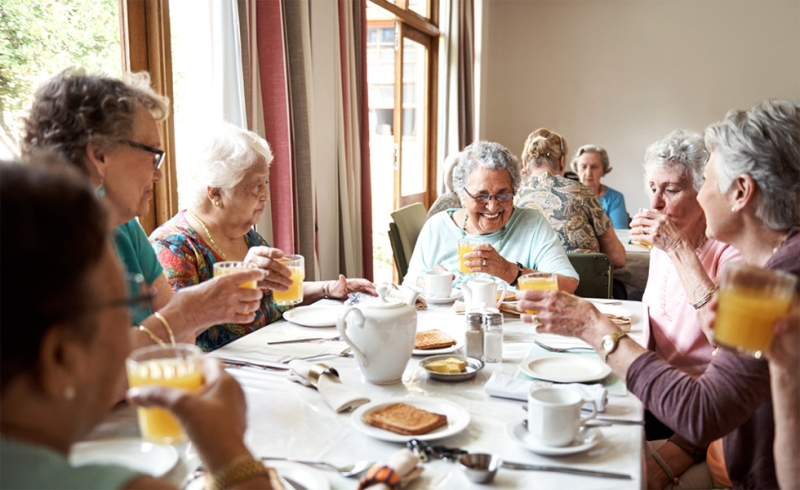
A wonderful way for older adults to add meaning and joy to life is to initiate new friendships in the New Year. Studies show that friendship provides vital social connections that support mental and physical health. As people are living longer, it’s important to establish habits and routines that add quality to the Golden Years. Studies show older adult friendship is vital to lowering risk for and reducing the impact of existing chronic illness, such as cognitive decline, loneliness, depression, and heart disease. It’s never too late in life to make a new friend…the tips below will help you get started!
Health Benefits of Friendship for Older Adults
Throughout our lives and particularly during older adult hood, friendship provides vital social connections that offer protective health benefits that bolsters mental and physical wellbeingprotective health benefits that bolsters mental and physical wellbeing. When we are more socially connected, we give ourselves a “biological edge” over chronic health conditions such as heart disease, diabetes, and chronic pain. Studies also show that friendship in older adulthood protects against mental health issues such as stress, cognitive decline, loneliness, depression and anxiety.
Since we are living longer, into our 90’s, it’s important to establish habits and experiences that support quality of life. Forming new friendships, no matter how young or old creates a special connection because it is chosen and offers mutual caring and support established around shared interests or personalities, which enriches quality of life. Additionally, a friendship grounded in shared respect and interest is an essential part of romantic relationships—no matter how old we are.
Tips to Create New Friendships Older Adulthood
While it is true that our social circles change during older adulthood, you can take steps to create and maintain new social ties in the Golden Years.
Meaningful Connection Can Be Short or Long-Term
Just as it benefits our health to eat a colorful variety of foods and to move our bodies indifferent ways each day, socially the same is true: Try to meet a variety of people. Explore different settings in which you might encounter kindred spirits. At the same time, don’t discount the benefit of friendly interactions in temporary situations—encounters with people where we have a shared goal (e.g., volunteer work) also builds a sense of community even if the encounter does not evolve into a lasting friendship.
Be a Joiner: Clubs and Organizations
A special interest club (book, music, art, photography, bird watching, walking, Sierra or Audubon Club, etc.) is a great way to meet people with similar interest as you. Your local YMCA, JCC, Senior Center, library, or senior living community will have many options.
Initiating New Friendships in the New Year: Tips for Older Adults
Easy Ways Older Adults Can Initiate New Friendships in the New Year
Not a Joiner? Take a Bus Trip!
If joining a group isn’t your thing but you’d like to expand your social circle, consider going solo (or maybe invite a friend you already have) to do a group bus tour or day trip. Many local bus companies, libraries, senior centers, etc. will host bus trips that are open to the public.
Get Social Media but Don’t Rely on It
Joining social media groups for older adults in your area can be a great resource for learning about programs, events, and opportunities to connect. However, don’t rely on social media to develop friendship—in person connection is the heart of real friendship. If you not media-savvy, a local librarian can help you get started.
Keep Learning: Take A Class
Check out the non-credit course offerings at a local community college or community recreation center. Art, history, cooking, master gardening, flower arranging, photography…and so much more can be right at you fingertips.
Bridge the Generational Gap: Volunteer
Volunteering with organizations that serve young people can be a great way to feel more youthful while also being of service. Consider becoming a mentor, a literacy coach, a classroom or library reader, or tutor.
New Friendships Found Every Day at Everbrook Senior Living communities
Engaging in hobbies and leisure activities is vital to quality of life in the Golden Years. Doing those things with a friends adds to joy and fulfillment, which supports healthy, independent living for older adults. At Everbrook Senior Living, our best-in-class services focus on our resident’s unique interests and needs. Custom programs are designed to help our residents establish new social connections, explore activities that add meaning and redefine purpose. Our exceptionally talented and caring staff create environments that nurture an older adult’s physical, emotional and social well-being. We wouldn’t expect anything less for our own family members and you should expect no less for you and yours.
Published in
Helpful Tips
Tagged under
Monday, 08 December 2025 12:31
How Older Adults Can Stay Healthy During Holiday Travel
Written by Karen M. Rider
For healthy holiday travel, most older adults have to pay attention to a few key considerations so that their time on the road and at their destination is stress-free. Before departing for a holiday trip, older adults should consult with their personal physician and plan ahead for special assistance that may be needed. During travel and once at your destination, it’s important to stay hydrated, take frequent breaks, snack smart, get plenty of rest, and avoid over-scheduling.
Whether you’re traveling the world or just going across the state for a stay-cation, these tips will help older adults stay healthy when traveling during holiday season.
Before Travel
- See your doctor: Schedule a checkup to discuss required vaccines, prescriptions, travel risks such as environmental factors, allergens, and protection against illness, and ensure you are physically fit for travel.
- Manage medications: Get prescription refills, pack extra for emergencies, and carry a medication list and checklist. Keep all essential medications with you in your carry-on; do not place in checked luggage.
- Pack a health kit: Include over-the-counter pain relievers, medications for upset stomach/nausea/constipation, face masks, and hand sanitizer.
- Arrange for assistance: Book wheelchair assistance in advance for flights or consider purchasing travel insurance.
- Plan for urgent situations: No matter how well or far ahead you plan, life has a way of throwing a curve ball. Have a solid “urgent care” plan. Familiarize yourself with the healthcare facilities and emergency contact numbers at your destination city. Ask your health insurance company for assistance with in-network providers or the out-of-network options available to you. This way, if anything comes up, you know where to go and what to do. And finally, keep a record of important health information, including allergies and chronic conditions, readily available.
- Stay connected: Share your travel itinerary and emergency contact information with loved ones. Have a backup plan for potential delays. Check-in with loved ones frequently
- Pack comfort items: Bring a neck pillow, small blanket or light jacket, wear supportive shoes, and any other items that will make your journey more comfortable.
PRO TIP: If you have a chronic health condition you may need to make special arrangements both for during travel and at your travel destination. You might want to consider using a travel agent to ensure that your accommodation requirements are sufficiently met during your trip.
During Travel – Destination Tips
- Stay hydrated: Drink plenty of water, even if you don't feel thirsty. Avoid excessive alcohol and caffeine, which can cause dehydration.
- Prioritize rest: Don't overschedule yourself. Get enough sleep the nights before you travel and throughout your trip—plan breaks and naps in your daily itinerary.
- Move frequently: Whether traveling by car, plane, or train, it is important to take movement breaks every hour or so. This will reduce muscle tension and joint stiffness, promote circulation, and lift your mood.
- Eat smart: Carry healthy snacks and plan meals to maintain energy. Eat smaller portions on planes and be cautious with unfamiliar foods.
PRO TIP: If you are a family member or caregiver traveling with an older adult, your role is to support their planning and help them be as independent as possible during the trip. Check out these holiday travel tips with an older adult.
At Everbrook Senior Living, we encourage our older adult residents to travel as a way to support mental and emotional wellbeing. Travel brings novel experiences that strengthen memory, self-efficacy, and a sense of wonder. At some of our communities a concierge is available to assist with travel planning. Schedule a tour or call us today to learn more.
Further Reading
See the World and Stay Healthy: 11 Things for Older Adults to Keep in Mind for Travel
https://www.cjcareconsulting.com/holiday-travel-tips-for-families-of-aging-parents
Published in
Helpful Tips
Tagged under
Monday, 10 November 2025 16:03
Thrills, Chills, Love & Laughter! Movie Nights for Older Adults
Written by Karen M. Rider
A Movie Night for older adults provides a great way to bring together film buffs for friendship and stimulating conversation about characters, plots, and themes. With more Gen-X era adults joining the Baby Boomers in senior living communities, there’s no shortage of films to choose from for reminiscing or to expand your movie horizons with contemporary flicks. Follow our suggestions below to launch a movie night that will warm-up autumn and winter evenings with thrills, chills, love and laughter!
Remember, all of the Everbrook communites have a wonderful movie theater, complete with comfy leather seating and a large projection screen!
Movie Nights Enhances Wellbeing for Older Adults
From Halloween through Valentine’s Day is a great time to host movie nights for older adults. With the outdoor temperature dropping, a movie night offers the opportunity to warm-up with friends and cultivate new social connections around a common interest, while also preventing health problems brought on by loneliness and isolation.
Some Fun "Movie Night" Themes
And the Award Goes To…
Choose films that have won awards for best director, best actor, story/scrip, or cinematography. When you create your movie night announcement (see below), mention these awards as it may capture the interest of potential participants.
Based on the Book By…
Films based on books can be a big hit for many reasons, the least of which is discussion on “which was better the book or the film”. People love to debate things like the actors chosen to portray book characters on the big screen, how script changes added to or detracted from the book, and so on.
‘Tis the Season…
For Gen-X and late generation Boomers, these movies tend to be full of nostalgia, making for great conversation as you jaunt down memory lane. Check out our seasonal favorites, listed below.
Film Picks for Gen-X & Boomer Movie Nights
Feel-Good Movies
- Breakfast Club
- The Big Chill
- Clerks
- Ferris Bueler’s Day Off
- Footloose
- Forrest Gump
- Good Will Hunting
- The Goonies
- The Big Chill
- Practical Magic
- Stand By Me
- St. Elmo’s Fire
- You’ve Got Mail
Creepy Movies
- Alien
- The Exorcist
- The Fly
- Gremlins
- Poltergeist
- Sleepy Hollow
- The Shining
- The Sixth Sense
- What Lies Beneath
Holiday Movies and Love Stories
- Bridget Jone’s Diary
- Die Hard
- Groundhog Day
- Home Alone
- Love, Actually
- Fatal Attraction
- Four Weddings and a Funeral
- Miracle
- Planes, Trains, and Automobiles
- Pretty Woman
- National Lampoon’s Christmas Vacation
- Scrooged
- Sleepless in Seattle
- Steel Magnolias
- The Santa Clause
- When Harry Met Sally
- While You Were Sleeping
Whichever movie you decide to watch, remember to grab your popcorn and to please silence your cell phone. :)
Published in
Holidays
Tagged under
Thursday, 02 October 2025 14:45
Fun Ways Older Adults Can Celebrate National Book Month
Written by Karen M. Rider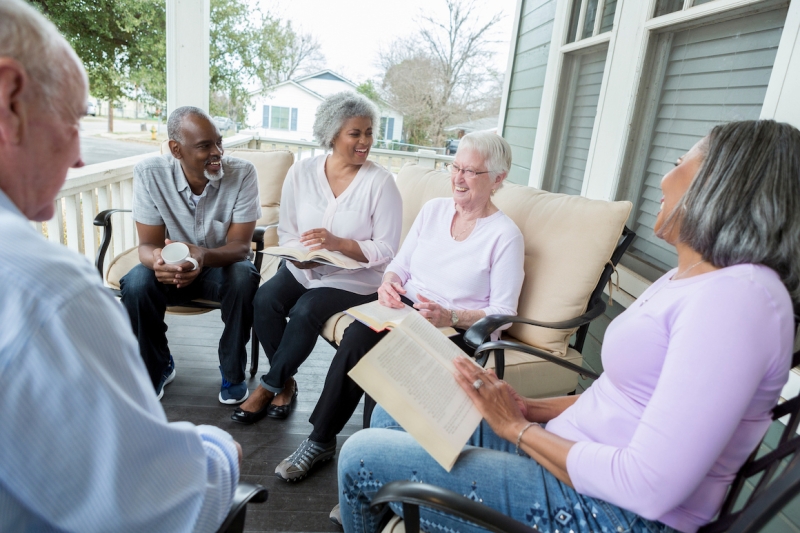
National Book Month is the perfect time for older adults to gather together with a group of like-minded bookworms to celebrate your love of a good story. Every October, National Book Month coincides with the announcement of the National Book Awards, bringing attention to the importance of literature and literacy, encouraging people of all ages to immerse themselves in the joy of reading, writing, and sharing stories. We’ve put together tips to help older adult “book lovers” start a book group and infuse fun and fancy into your group meetings.
Basic Guidelines for Older Adult Book Groups
Before we jump into book club ideas, we want to remind you of a few basic guidelines to help ensure your group is successful and fun for all:
Size, Structure and Consistency. A good book group size is 4-8 people, especially if you’re group is just forming. Stick to a routine meeting time. For example, meeting monthly, the third Tuesday at 6:30 – 8:00pm, at a standard meeting place or rotating to meet at a member’s home. You’ll also want to have structure to agree upon:
- How will books be chosen?
- Who will lead the meetings?
- Who will be responsible for overall group communication?
Purpose, Goals & Ground Rules. Will your book club focus on a specific genre: fiction (which we focus on in this article), nonfiction, thriller, historical fiction, true crime, or some other genre? Or maybe yours is an eclectic group with all members willing to read “outside their comfort zone.” Assess what members want to get out of the group: friendship, expanding their reading horizons, learning something new? Also set ground rules for acceptable participant conduct (mutual respect, being non-judgmental, having an open mind, being on time, etc.)
Communication Plan. Phone tree, email, text message—have a way to communicate with all group members about the selected book title, who is leading/hosting the next meeting, and any changes to an upcoming meeting, etc. Also, be sure to use an RSVP system so that the host can prepare accordingly for number of participants.
Prepare Thoughtful Discussion Questions. Some, but not all, books come with discussion guides. If you aren’t sure how to prepare thoughtful discussion questions for your older adult book group, seek the help of a librarian (also a great resource for choosing books that older adults will love to discuss).
Encourage Participation, Support Differing Views. Everyone has to agree (back to purpose and goals) to be respectful, open-minded, and supportive even if views of a book or responses to discussion questions are not “on the same page.” Have an agreed upon plan for how differing points of view will be navigated in order to keep discussion lively and insightful for all. Remember, reading has many benefits for mental and emotional well-being; book group should add to, not detract from, those benefits.
4 Fun Ideas for Older Adult Book Clubs
National Book Award Fall Reading Group
The longlist for the National Book Award Finalists in Fiction was announced in September 2025. In October, that list will be shortened (aka “the shortlist) in advance of the award recipient being announced in November. This makes October a great month to gather your fellow bookworms together to read one of the semi-finalist novels.
A Haunted Theme for Your Book Club
‘Tis the season for spooky things so why not focus your book group on a haunted tale or two? Consider a collection of classic short stories (Hawthorne or Poe, perhaps?) For something more contemporary—you’ll get a good scare from the English writer, Ramsey Campbell, an older adult author known for known for his quiet, psychological stories of dread and unease.
Favorite Character Book Club Meeting
Each month your book club picks a novel to read and discuss. Well, now your members can get into character for the book discussion! When the group meets to discuss the chosen title, each member must come in some form of costume (or at least bring a few token accessories) that symbolize one of the characters. The person who selected the book and is leading the discussion gets to pick first the character they’d like to be. All other members pick a character by either drawing character names from a jar or some other random assignment you all agree on. It’s also fun to serve snacks that are aligned with the genre, theme, or premise for the book.
Book and Beverage Pairing Event
In fine dining establishments, appetizers to entrées have an appropriate pairing with a specific beverage, from an aperitif to a demitasse to a full-bodied wine or fermented drink. Now, what beverage might be the best pairing for your favorite book? That is what you and your book club members will find out at this pairing event! Each member will bring a copy of their favorite book (along with an enticing summary) and a beverage to pair with it, along with a rationale for why the two go together. If there’s concern about whether or not caffeine or alcohol is appropriate for all members, then set ground rules for that; there are plenty of “virgin options” for wine and spirits.
Spice-up Your Book Group’s Gathering Space
Finally, consider the following tips for elevating the aesthetics of the gathering to create a delightful atmosphere for discussion:
- ambient lighting, electric candles, or fairy lights
- throw pillows, cozy blankets, and fuzzy socks on chilly night
- play soft music in the background such Mozart, Vivaldi or Bach to support focus, concentration, and creativity (ask members to take turns selecting music)
- decorate your meeting space to align with a book’s theme, time period, or setting
- serve drinks and treats to keep everyone alert and engaged
A Golden Experience for Older Adults at Everbrook Senior Living
At Everbrook Senior Living, our residents participate in a wide variety of stimulating activities that promote social connection, creativity, and intellectual curiosity. We invite you to visit one of our award-winning, best-in-class luxury residences, located throughout New England. Our compassionate, professional staff are committed to making every resident’s experience “golden”. Learn more.
Published in
Information
Tagged under
Monday, 01 September 2025 11:28
5 Fab Tips for Active Older Adults to Reset & Renew this Fall
Written by Karen M. Rider
There are plenty of benefits to becoming an active older adult, such as:
- wisdom acquired from life experience and sharing that with others
- time to explore new interests
- opportunity for leisure travel and entertainment
- quality time with friends and family
- feeling more accepting of who you are
Yet, these positive aspects of older adulthood rarely get the attention they deserve. To address this, as a nation, we observe Healthy Aging Month every September.
Never Too Late…
The theme for Healthy Aging Month 2025 is “Never Too Late to Reinvent Yourself.” Read on for “fun and fabulous” tips to help you reset your outlook on growing older and renew your commitment to your physical, emotional, and social wellbeing.
1. Keep a “What’s Next” Journal.
This journal is a way to give thoughtful consideration to what comes next for you in older adulthood. There’s no right or wrong way to approach figuring out “what’s next” for you. Imagine, envision, and reflect on what can add meaning to this new phase of your life. Consider starting with wish lists; pictures of things, places, or experiences that resonate with you; make sketches or collages; or simply answer “what if…” for yourself. You might also find it helpful to work with a certified coach who specializes in adult life transitions.
2. Connect with Purpose.
With the time that most older adults have available to them, why not put yours to good use by volunteering as a way to connect with others with purpose. Whether it’s an after-school program, animal rescue, food pantry, library, or other mission-driven organization of interest to you, the wisdom and experience you bring as an older adult is highly valued. Plus, volunteering has many health benefits for you, too!
3. Cook a New Healthy Recipe Every Week.
Be it an appetizer, entrée, side dish, or dessert, learning to cook keeps your reading and math skills sharp. The added bonus of cooking with or for others helps maintain social connections. When you stick with healthy dishes, you’re supporting your physical health. To mix-in more learning fun, consider cooking cultural foods and take the time to learn the history and significance of foods from around the globe. Don’t want to go it alone? Join a local cooking club or take lessons through your local community college or senior living program.
4. Cultivate Incidental Connections.
If you haven’t found new friends through volunteering or cooking adventures, then try cultivating new connections through “incidental connections.” These are the casual connections you encounter daily but tend to breeze by. For example, if you make a daily stop to the local bagel shop in the morning, strike up a casual conversation with your server or the barista who prepares your coffee. Do you cross paths with the same neighbor on your evening walk—strike up a chat and maybe plan to walk together another night. These micro-connections can help reduce loneliness and lift your spirits. There are dozens of incidental connections throughout your day—pick one and cultivate it!
5. Go on Microadventures!
You don’t need to travel far to have fun or add adventure to your life. Take some time to rediscover your local area through museums, gardens, and nature trails. Your local library, senior center, or concierge at Everbrook Senior Living can point you in the right direction. Bonus! Adding laughter, play and adventure to your day helps support emotional wellbeing, and physical stamina, and brain health.
Live a Fabulous Life at Everbrook Senior Living
The Everbrook Senior Living communities provide abundant opportunities and programs to support healthy aging. Our Wellness 4 Later Life program keeps residents active, curious, and inspired. You find resources that support a holistic approach to physical, social, emotional, financial, and spiritual wellbeing. From personalized fitness programs to hobby and social clubs, and travel opportunities you’ll have abundant choices for living, learning, playing, and laughing throughout the Golden Years.
We invite you to come see for yourself all that Everbrook Senior Living has to offer. Call today to schedule a tour.
And don’t forget to look for more events at an Everbrook communtiy near you.
Published in
Helpful Tips

Wellness for older adults goes beyond physical health and prevention of illness. This month, we focus on the habits that support you in feeling your best. During the Golden Years the key elements of wellness include:
- Emotional Fulfillment and Social Connection
- Mental Stimulation
- Physical Movement
Let’s take a closer look at each of these; then, check-out our tips to help you create a wellness routine in older adulthood.
- Emotional Fulfillment and Social Connection
Having opportunities to connect socially is directly related to feeling emotionally fulfilled. These two areas of wellness intersect, and both are vital to older adult well-being. You don’t need to be a socially butterfly, but you do need to have outlets to connect with others as these engagements help combat loneliness, depression, anxiety, and support overall healthy aging.
How an older adult defines emotional fulfillment, and the extent of their social connections will vary for each person. At Everbrook Senior Living, we offer programs that support older adults as they explore activities and engagements that creates a sense of purpose and brings more meaning to their lives.
- Mental Stimulation
An active mind promotes brain health and protects against cognitive decline. This means your better able to focus, concentrate, recall information, and engage in problem-solving. Now, you don’t have to solve calculus problems as a hobby to keep an active mind! Daily mental stimulation through games, puzzles, art and music, travel, book clubs, volunteering, or nurturing an existing or new hobby are all great ways to support brain health.
- Physical Movement
Keeping physically active as an older adult is essential for your mobility, balance and coordination, muscle strength and stamina, heart health, and brain health, too! Whether you walk, swim, practice yoga, hike or garden, movement on a daily basis protects against diabetes, heart disease, and cancer. Exercise routines tailored to older adults helps older adults maintain their independent longer, too.
Never too Late for Wellness in Older Adulthood
Transitioning from the busy, working adult years into active older adulthood brings about many changes. If you’ve had the benefit of planning ahead for your emotional, mental, and physical wellbeing in older adulthood—good for you! If you haven’t—or if you’re struggling now to find balance in these essential areas of wellness, it’s not too late to get started.
Here are three easy ways to begin:
- Prioritize Self-Care. Self-care means putting first the things that matter most to sustain your health and vitality. This includes healthy nourishment, sufficient sleep, adequate water intake, taking medicines as prescribed, tending to preventive health screenings, drinking in moderation, avoiding nicotine, caffeine and processed foods, and making time for family and friends. If you’re struggling to prioritize self-care, consider talking to a health coach who specializes in older adult wellness.
- Manage Stress. Yes, managing stress is a part of self-care, but it’s so important to mental and physical health (at every age) that it gets special attention. For older adults, chronic stress can make existing health conditions worse and trigger new health problems. Stress is linked to illnesses such as autoimmune conditions, heart disease, cancer, dementia, and anxiety and depression. One of the best and simplest ways to manage stress is to spend time in nature. Also consider yoga, mindfulness meditation, and learning deep breathing techniques.
- Create a Daily Routine. You might need to look at your daily routine to identify where you are wasting energy and time on things that don’t matter and don’t support health. Routines create stability, reduce stress, and even promote happiness. Change is not always easy, but it doesn’t have to be hard. Start small and stay consistent. Consider telling one close friend or family member what you’re wanting to accomplish and ask them to be your accountability partner. You’ll have a greater likelihood of success with social support!
The communities at Everbrook Senior Living provide every resident with opportunities to participate in physical activities, social engagements, creative outlets, and much more. Our dedicated and compassionate staff will support you in establishing routines that mesh with your unique needs, interests, and goals—in all the key areas of older adult wellness. If you’re curious about what life could have in store for you in the Golden Years... come visit Everbook Senior Living and discover the possibilities for a healthy, active and vibrant life – the life you deserve.
Published in
Health & Wellness
Tagged under
Wednesday, 02 July 2025 13:07
Summer Brings Travel Fun for Older Adults in New England
Written by Karen M. Rider
Life is Good for Active Older Adults Residing at Award Winning Everbrook
An award-winning senior living lifestyle awaits you and summer is the time to experience all that the Everbrook communities offer current and prospective residents.
Let’s start with the accolades… All five of the established Everbrook communities received the 2025 Best of Senior Living award! Recipients of this award stand out for the exceptional care and support provided to older adults in independent living, assisted living, memory care, and in-home care. The Best of Senior Living Award winners represent the top 1-2% of senior care providers nationwide based on reviews from those who matter most: residents and families. Each of the Everbrook Communities are nestled within quaint New England communities that are a “puddle-jump” from the attractions of bigger cities and towns.
If you’re already residing with us, or if are considering an Everbrook community properties for yourself or a loved one, this article will introduce you to some of the many wonderful summer activities accessible from each of our established communities. Please also visit the community webpage to learn more about the location, surrounding towns and the lifestyle amenities of each.
What’s happening near the Everbrook communities in CT, MA & NH this summer?
Colebrook Village located in Hebron, CT is surrounded by foliage-line, quiet streets, minutes from the central town corridor and Gay City State Park for outdoor activities. Events kick-off in March with Maple Fest and continue through Summer and Fall with Hebron Day, summer concerts, July 4th fireworks, and many other family-friendly events.
Elmbrook Village at Bozrah/Norwich, CT is rich in Colonial-era history, making it perfect for the history buff. Sheltered from the business of city life in nearby Greenwich, CT or Providence, RI, this quiet town is perfect for hiking at Maples Farm Park or fly-fishing along the Yantic River. If the outdoors aren’t for you, enjoy a relaxing retreat at the Norwich Inn and Spa. If you’re a connoisseur of beer, or wine —then the Norwich Beer Festival or Norwich Wine Week are not to be missed. Music, arts, and the usual summer fun for kids of all ages are within reach of Elmbrook Village.
Stonebrook Village at Windsor Locks, CT is embraced by scenic roads and waterways, including Enfield Falls, a large waterfall along the Connecticut River. Trails for walking/jogging, biking and hiking weave through the local area with many scenic spots along the Windsor Locks State Canal. Six Flags New England and the Air Museum are a short drive. June brings “Brewfest” and July brings fireworks, concerts (Bon Jovi night!), and more community events to Enfield and Windsor Locks area. If you enjoy the arts, the Arts Council has something for everyone at “ART’ober Fest”!
Cedarbrook Village at Ware, MA is a quiet town that embodies all that you might picture about a quaint, New England town: rolling hills, trails, shops and dining—as you will find near to other Everbrook communities. Ware, though places you in easy driving distance of 3 major cities and all the entertainment, cultural, and foodie experiences you care to enjoy: Boston, MA; Hartford, CT; and Springfield, MA. For the outdoor enthusiasts, Berkshire Mountains offer waterways, trails, and bikeways to explore—and there’s a variety of seasonal events to keep you as busy as you’d like to be. For kids of all ages, Great Wolf Lodge and Six Flags New England are in your backyard! At the end of long day of outdoor exploring, relax to a quiet porch at a mountain lodge or – if you’ve spent the day leisure reading on that porch, head to one of the fine cities for an evening on the town.
Hillsbrook Village at Allenstown, NH is quintessential with northern New England small town living. Known for a close-knit community, year-round outdoor activities, and plenty of fairs and festivals pop-up through adjacent towns. Allenstown is where you go to unwind and explore at a slower pace. From Bear Brook State Park to Candia Vineyards to the sites and sounds of Manchester or a little further onto Boston… there’s a little something for everyone within reach of Hillsbrook Village.
Everbrook will be opening 2 more senior living communities this summer; Islebrook Village at Wiscasset, ME and Lunabrook Village at Torrington, CT. We will follow up with more information on those new communities in the coming months.
Published in
Activities
Tagged under
Friday, 13 June 2025 14:14
Tips to Help Active Older Adults Protect their Eyes from the Summer Sun
Written by Karen M. Rider
Today’s older adult is often on the move, and summer is prime time for outdoor activities under the sun. Whether you’re beaching, biking, hiking, gardening, or just relaxing, you’ll want to take extra precautions to protect your eyes from sun exposure. That means investing a little time in choosing quality eyewear designed to counter the sun’s UV rays as well as nourishing and exercising the eyes.
Three Ways to Protect the Eyes
- Proper Summer Eyewear
- Nutrients to Support Eye Health
- Yoga for the Eyes
Proper Summer Eyewear for Active Older Adults
UV-protective eyewear is essential year-round for everyone, particularly in the summer months when we spend more time near bodies of water and other reflective surfaces. Summer days are longer and sun exposure increases as we spend more time outdoors. UV light waves are the damage-causing rays emitted by the sun—too much exposure to UV waves can cause serious problems for the eyes: sun damage, sunburn, cataracts, macular degeneration, and even eye cancer or blindness. If you have any health conditions of the eye, or take certain medications, your eyes may be at higher risk for sun damage.
Sunglasses for Older Adults should offer 100% UV protection. Your sunglasses should feel comfortable and, depending on your health history may need to “wrap around” your peripheral vision. You may also want to opt for polarized lenses if you spend a lot of time on the water. Always check with your eyecare health provider about the best eyewear for you.
Hats Off to Sun Protection! Hats with a rim or visor are ideal to filter out rays that your eyewear doesn’t cover.
Don’t Leave Home Without Them. Older adults should wear their sunglasses on overcast, bright days as well as sunny and clear days. Whether your out for a leisurely stroll, gardening or spending time at the beach—don’t leave home without your sunglasses!
Nutrients to Support Eye Health
Vitamin A. The most important vitamin for healthy eyes and good vision is Vitamin A. Carrots, are well-known for providing Vitamin A, but the nutrient in carrots is beta carotene, which is different from Vitamin A. The body has to convert carotenoids to retinols before it can actively use them. Also, some folks have trouble digesting raw carrots or may not like them. So, you want to be sure to include a variety of foods that are rich in bioavailable Vitamin A—a form most easily assimilated by the body—including foods such as cod liver oil, king mackerel, salmon, sweet potato, winter squash, turnip greens, sweet red pepper, spinach, mango, and cantaloupe
Antioxidants. The foods richest in antioxidants (vitamins A, C and E) tend to be berries (along with other fruits and vegetables in general). These nutrients support the health of the eyes by way of supporting immunity and helping the body to clear-out cellular debris that results from stress, illness, and exposure to toxins
Yoga for the Eyes
The eyes are supported by bands of muscles (the extraocular muscles) that control their movement. Exercising those muscles can improve circulation to the eyes, which helps reduce inflammation and minimize eye fatigue. Strong eye muscles also protect against the negative effects of vision overuse patterns such as digital eye strain or frequent night driving.
Below is one of several eye exercises that nourish and strengthen the musclesand other structures of the eyes.
Figure 8 Eye Exercise
You may have practiced this exercise, sometimes called “yoga for the eyes,” if you’ve ever taken a yoga class. This exercise should be done from a seated position, such as at your desk, while relaxing in your favorite chair, or while in an easy, seated yoga pose.
- Pick a point on the floor about 10 feet in front of you and focus on it.
- Trace an imaginary figure eight with your eyes.
- Keep tracing for 30 seconds, then switch directions.
Remember, keeping the eye muscles strong, flexible, and nourished is essential to protecting eye health as you age.
If you are concerned about changes in your vision, or experiencing any of the symptoms listed, it may be time to adopt healthier habits, make changes in your vision care plan, or consult with an ophthalmologist. The health and wellness team at each of the Everbrook Senior Living communities are here to support and guide you.
Published in
Helpful Tips
Tagged under

There’s power in the written word, particularly in reading stories and books that convey a shared experience, shedding light on the ways in which we might, in our own lives, cope with a challenge, heal from a loss or trauma, or become more informed before making difficult decisions for ourselves or for a loved one. All of these are reasons we might turn to reading, both fiction and nonfiction, about how other people navigate a diagnosis of dementia or Alzheimer’s disease.
Several authors have written about dementia and Alzheimer’s disease, exploring how to come to terms with the diagnosis, tips for seeking care, and finding hope and meaning in the days that remain to be lived.
Below, we highlight a few of these authors and their memoir, novel, or non-fiction ‘practical guide.’ Not just for adults, you’ll find books that can be helpful for young adults and children who will also need support as they witness mental decline in a beloved family member.
Novels
Conversations with My Mother by Ronald-Stéphane Gilbert is set on the Maine coast where Yvette Allaire has lived her life. As she succumbs to dementia, her nomadic son and acerbic daughter attempt to cope. The novel draws parallels between the erasure of memory brought on by the illness and the deterioration of Maine’s once idyllic coast. It’s a deeply moving story about the ways in which dementia touches the lives of family members, bringing them to find hope in the present moment—for there is no other moment in time when losing a loved one to dementia.
Still Alice by Lisa Genova is a remarkable novel about Alice Howland’s rapid spiral into Alzheimer’s disease at just 50 years old. A Harvard professor with everything going for her, Alice must re-evaluate everything in her life—work, family, relationships, identity—and find her new place in the world, while being still Alice. Genova, who lives in Massachusetts, is a Harvard trained neuroscientist, who has written several novels dealing with the mystery of memory—how it is formed and what happens to people’s lives as it slips away.
Nonfiction
The Inheritance Drawing from several years of in-depth research, Boston-based journalist Niki Kapsambelis tells the story of Alzheimer’s through the humanizing lens of an ordinary family made extraordinary by both their terrible circumstances and their bravery. The DeMoe family has an inherited genetic mutation that causes Alzheimer’s in one hundred percent of cases and has a fifty percent chance of being passed on to future generations. The DeMoe’s story is intertwined with the dramatic narrative exploring the cutting-edge research looking for a possible cure and an in-depth account of the physicians spearheading this groundbreaking research.
My Father’s Brain: Life in the Shadow of Alzheimer’s by Sandeep Jauhar, M.D. is a deeply affecting memoir of the author’s father’s descent into dementia. With humility, humor, and heartbreak, Jauhar, a practicing cardiologist based on Long Island, explores the moral and psychological concerns that arise when family members must become caregivers, when children’s and parents’ roles reverse, and what it means to be oneself. Throughout we gain insight into why the brain and memory degenerate with age, the bioethics of research, and how researchers, doctors, and caregivers are left to confront with this devastating illness.
For Young Readers
Cassie and the House of Mirrors, a graphic novel by Dean Stuart depicting the enduring bond between a grandfather and grandchild as the grandfather succumbs to dementia. With sensitivity and care, the books takes readers on a journey into the mind of Alzheimer’s When Cassie’s grandfather wanders off, sets out to find him but instead finds herself in “grandpa’s memory place”—a mysterious place not unlike a house of mirrors or a Salvadore Dali painting, which gives Cassie access to her grandfather’s memories and state of mind. Not merely story, the graphic novel is informative in an age-appropriate way allowing Cassie to appreciate her grandfather’s life and understand him as he grapples with dementia.
A Loved One with Dementia: Insights and Tips for Teenagers by Jean Rawitt gives young adults insight into what dementia is and offers meaningful ways for continuing to have positive interactions with their loved one. With thoughtful guidance from professionals and glimpses into coping from other young adults who have experienced dementia in a loved one, this is a wonderful guide helping young people cope with the mix of difficult emotions that arise when a family member is losing their memory.
Additional book titles and lists
The Complete Family Guide to Dementia
Auntie P, Music & Me by Pamela Krist Atwood
Dementia Action Alliance Reading List
Books to help children understand dementia
Published in
Information
Tagged under
Wednesday, 02 April 2025 15:57
Is My Aging Parent Stressed or Showing Signs of Dementia?
Written by Karen M. Rider
It can be easy for us middle-aged adults to think that our aging parents, well into their retirement years, don’t experience stress. After all, they are no longer running frantic with the responsibilities of work, family, and community. Yet stress is a real issue for our aging loved ones. Often, symptoms of stress in an aging parent can be mistaken for symptoms of dementia.
Furthermore, chronic stress in older adults has even been linked to onset of dementia. It’s important for adult children and caregivers to understand sources of stress in older adults and how this differs from dementia symptoms.
A 2021 survey showed that 44% of older adults age 50-80 experience significant stress that affects how they feel, think, and function in daily life. Even in the years following the COVID-19 pandemic, there has not been a significant change in rates of stress and stress related illness among American adults, including older adults.
Stressors Affecting Older Adults
There are many sources of stress that can affect an older adult. Some of these are personal stressors—events or circumstances that are unique to each individual. Others are ‘collective’ or ‘global’ stressors—things that all of us, across age groups, are exposed to and affected by to some degree. Here is a short list of common stressors affecting older adults:
- Loneliness
- Sleep changes and sleep deprivation
- Grief
- Changes in social status
- Changes in financial circumstances
- Changes in health and/or mobility
- Retirement & loss of sense of purpose
- Caregiving for a seriously ill partner
- Poor eating habits
- Chronic Pain
- Feeling helplessness about or being affected by social issues such as gun violence, economic upheaval, climate disasters
How Stress Affects Older Adults
When the body is under stress, activating all physiological systems for fight or flight. In the short term, and with access to strategies and resources to mitigate the stress, the body adapts and recovers, returning to a state of balance. Chronic stress, however, causes significant physiological changes and accumulation of stress hormones leading to inflammation, weakening immunity, and increasing the risk of stress-related illnesses, such as digestive issues, weight gain, chronic pain, heart disease, stroke, depression and anxiety and even risk for dementia.
Older adults display symptoms of stress such as
- Problems sleeping
- Difficulty concentrating and making decisions
- Feeling pressured or rushed
- Eating too much or not enough
- Being irritable or moody
- Forgetting things
- Experiencing physical symptoms such as stomach problems, headaches, or back pain
Compare the above stressors with the early symptoms of dementia, below.
Early Symptoms of Dementia
- Everyday tasks that should come easily cause frustration or agitation
- Changes in mood that show a significant shift in personality
- Trouble communicating, following a conversation, and losing train of thought
- Forgetfulness in a variety of circumstances
- Difficulty concentrating, following a conversation, or train of though
- Unusual anxiety, fear, or suspicion
- Neglecting personal hygiene or care of living space
- Confusion about time and place
- Not taking medications as directed
Remember, lots of older adults—all adults, really—can be forgetful and have problems sleeping especially during a stressful time. This does not necessarily indicate an increased risk for dementia. You have to look at the duration, the context, and the pervasiveness of the symptoms you are observing in an aging parent. If the symptoms are out of context with the situation, are long-term, and pervasive, then something more than stress may be going on. Be sure record your observations and discuss your concerns with a geriatric physician.
The Right Care at the Right Time for an Aging Parent
If you find that your aging parent is experiencing long-term stress that is deteriorating their ability to care for themselves in their living space, then it may be time to consider assisted living. This is especially important to do if you are unable step into the caregiver role for your parent. At Everbrook Senior Living, our compassionate care counselors offer support and guidance through the complex choices around care for an aging parent. We are here to help you make informed choices that best suit your loved one’s needs. Our state-of-the-art, affordable luxury residences provide both social-emotional outlets and medical attention that your loved one may made need. Our properties located throughout New England offer a full complement of health, wellness, recreational, social, and cultural activities to support older adults from independent living to assisted care.
Other Resources
Can Stress Cause Dementia?
The Influence of Chronic Stress on Dementia-Related Symptoms
Published in
Dementia
Tagged under

The luck o’ the Irish is upon us, as March springs forth it's meadows of four-leaf clovers and golden daffodils. Warmer weather means more time outdoors in the New England region and a perfect opportunity for older adults to engage in fun activities to celebrate St. Patrick’s Day.
You don’t have to be a little leprechaun to enjoy the festivities around St. Patrick’s Day. Older adults can celebrate St. Patrick’s Day with Mad Hatter crafts, Irish dancing, baking traditional Irish treats, playing luck-themed games, or attending parades and community events.
For those who love basketball – you can show-off your team colors in crafty ways during March Madness! And, if there are little leprechauns in your life, invite them to join you at your residence at Everbrook Senior Living.
Mad Hatter Top Hat Craft for St. Patrick’s Day
No matter your age, this craft is a big hit because there are countless ways to design and decorate a top hat. You can work with inexpensive paper craft materials or get really fancy by starting with an actual top hat (check vintage stores or online) that you transform into your own Mad Hatter Top Hat. Let these images inspire your creativity and follow the links for all manner of designs.
Glittery Leprechaun Top Hat – perfect for all ages and particularly fun to do with the grandkids!
Truly a Mad Hatter Fascinator – you won’t find the Queen wearing these fascinators, but you will have a blast designing one! From chic to funky, you determine just how “mad” you want your design to be…or tie in with March Madness and incorporate your team’s logo/colors.
Easter Mad Hatter Top Hat – incorporate the Easter season colors and patterns with this paper-craft design using cardstock.
Lucky Leprechaun Fabric Top Hat – begin with a vintage hat that you want to upcycle or use the cardboard “frame” and decorate with fabric scraps. A great way to bring together your crafty friends to reuse scrap materials!
More top hat design ideas to share with friends and family.
Not Crafty – No Problem! St. Patrick’s Games and Events for Older Adults
Not everyone has a green thumb for crafts. The activities below will keep everyone engaged in the St. Pat’s festivities.
St. Patrick's Day Parades & Special Events – Most local municipalities will “paint the town green” with parades, music or art events, and entertainment. Check with your Everbrook Senior Living concierge for activities in the local area including those at art museums, libraries, restaurants, and parks and recreation venues. (FYI: In New England, Daffodil Festivals are very popular!)
Irish Trivia Night – Whether you use index cards or PowerPoint to set up a game and see who knows the most about all-things-Irish film, books, art, or history... trivia night is a fun way to learn together. Consider adding prizes for the individual and/or team with the most points.
Gold Coin Toss Game – You might not shoot hoops anymore, but we bet you can get a gold coin in a pot that’s a few feet away. Get your teams together, line up your leprechaun pots and give each team 20-25 gold coins (the plastic kind).
The goal: get as many gold coins in the pot as possible from behind the line of demarcation. Two teams of 2-5 each compete against each other to progress to the “playoff”. (All teams should have equivalent number of players and each player gets the same number of coins). The team that has the most coins in the pot after each round moves on until only one team remains. Plan to have a great prize for the semi-finalists and finalist, too.
Irish Movie Night – we’ll just give you a few new and classic movies that revolve around Ireland, Irish themes, or Irish actors. Pop some green popcorn, serve your favorite beverages, and green-themed treats to share. The Banshees of Inisherin, The Devil’s Own, The Wind that Shakes the Barley, Ondine, Calvary, Leap Year, Waking Ned Devine, The Luck of the Irish (young adult/family with basketball theme), Gangs of New York – search your favorite streaming service or Google for more film ideas.
Irish Baking Bonanza – from soda bread to clover-shaped cookies to lime-green scones and mint-chocolate chip pie (with or without the Baileys!), you can find a great variety of Irish themed recipes online. Whether you all bake together or simply come together to share your creations, there’s sure to be something for everyone to enjoy before the day is done. Check out these Irish treats from the folks at Delish!
An Intimate Irish Evening – just the two of you or an intimate group of friends? Plan an Irish luncheon or dinner with the traditional recipes from “the great island”.
Irish Jig Dance – Bring in the Irish steppers and jig dancers to teach lessons to your friends and family... then have a Jig Dance-off. For those with arthritis, a line dance or chair dancing is a great alternative.
We hope you have a lucky St. Patrick’s Day, rich with the blessings of good health, the comforts of a nurturing home, and the bonds of friendship. That’s exactly what you’ll find at Everbrook Senior Living – a community of support that suits your lifestyle and meets your unique social, emotional, and health needs. To learn more about our first-in-class amenities, residential lifestyles, and specialized services call today to schedule a tour.
Published in
Activities
Tagged under
Monday, 10 February 2025 21:23
Tips for Vibrant Health from Age 60 to 80 and Beyond!
Written by Karen M. Rider
In 2013, some thirty years after Diana Nyad tossed in the proverbial towel on her dream to swim from Cuba to Florida, she returned to the ocean—at age 64—to complete the dangerous feat. It took her 5 attempts over four years to complete the 110-mile ultra-swim that she failed to do at age 28.
Diana is proof that you’re never too old to get back in the water and swim after a dream. Her achievement is not just a testament to the ability of the body to adapt to physical conditioning at any age, but to the power of mindset, social support, and trust in the possibility of “What if I still can?”
It’s true that she had the benefit of modern training techniques and nautical technology, both of which had come a long way since the 1970s. These things were not what kept Diana in the pool or the ocean every day for hours.
Diana did something each of us can learn to do:She embraced the wisdom of her age and life experience to shift her thinking away from all the things she did wrong or should’ve done differently. By letting go of regret and resentment, Diana could channel her energy into the possibility of what she could do—and could she—just possibly—do now what she physically failed to do in her youth?
Today’s older adults are entering their sixties with a desire to revitalize goals and dreams from their younger days. And, we want our lives to be meaningful and healthy well into our 80s.
Even if you weren’t an athlete “in a former life,” there are many things you can do to maintain—or restore—healthy exuberance in your sixties and beyond. Before we talk about those tips, let’s understand the changes that we all face in our sixties.
Mind and Body Changes that Take Place After Age 60
The changes that began in your 40s and 50s carry over become more noticeable in your 60s:
- Tiring more easily
- Increased recovery time from illness and injury
- Loss of muscle mass leads to reduces strength & flexibility
- Slowing metabolism can lead to weight gain
- Lower libido & other changes in sexual function
- Being more forgetful and less focused
- Feeling less emotionally resilient
- Increased risk for falling and for fractures
- Changes in appetite and food preferences
- Reduced control of bladder function
Also, you want to be sure to keep-up with routine health screenings based on your age and gender.
6 Ways to Be Healthy in Your 60s so You Can Be Active in Your 80s
The six tips presented here are a good starting point for discussion with your healthcare provider to create a plan that suits your needs. If you are an Everbrook Senior Living resident—or thinking about becoming one—we have an array of health and wellness programs to help you reach your goals.
1. Cultivate Optimism
No matter your age, how you think about yourself and your experiences has a significant influence on how you feel physically and emotionally. As we learn from Diana’s story, it is never too late to make amends with ourselves or with others and flex a different mindset. To adopt a more positive outlook—and see the possibilities that are within your reach—consider the benefits of mindfulness practices.
At Everbrook Senior Living, we offer many such programs including yoga, guided imagery, journaling, meditation, music and arts programming. Mindfulness practice help us still the mental chatter, let go of stress and worry, and cultivate a non-judgmental perspective. In addition to supporting emotional wellbeing, mindfulness practices have been shown to help lower blood pressure, reduce muscle tension and chronic pain, and contribute to exceptional longevity and health in older adulthood,
2. Keep Moving
Physical activity is medicine for body and mind, providing numerous benefits for folks age 60 and older:
- improves range of motion, coordination & balance, which decreases risk for falls
- stronger bones & improved joint health
- improves blood flow to muscles & vital organs, supporting overall health
- enhances learning, memory, mental processing & focus
- enhances sleep
- builds social connections when we exercise with others
- lowers the risk of chronic illness
There is enough variety of exercise programs for you to find something you love—or to rekindle an activity you enjoyed long ago. Inquire with your local YMCA, JCC, or your Everbrook wellness concierge if you have a specific interest and need help getting started.
If you’ve maintained your fitness level throughout your life, then you may be your own version of Diana Nyad, and have a higher capacity for vigorous exercise—and the next Big Goal!
3. Exercise Your Brain
The best way to prevent cognitive decline and memory problems that are typical with aging is by exercising your brain. Be sure you are getting out and about: Visit farmer’s markets, craft shows, museums, and local parks. Do a daily puzzle or a word search. Read widely and often. Gather with friends for an evening of games. Take an art class. Learn new technology or pick-up an instrument and fiddle around. At Everbrook, you have access to a great variety of social, arts, and cultural programs and trips. We also offer specialized memory care programming.
4. Nourish Your Body
A healthy diet is essential to disease prevention and maintaining youthful vitality. As an older adult, your nutritional needs change quite a bit. Your activity level drives your body’s need for calories, but nutrient needs after age 60 become more specific and in some cases will be higher than what you needed in your 30s and 40s!
Older adults also may want to consider a few specific nutritional: calcium, magnesium, fiber, vitamin D, vitamin B-6, vitamin B-12, probiotics, and Omega-3 fatty acids. Always check with your health provider or a licensed nutritionist before starting any type of supplement.
5. Nurture Social Connections
Studies show that older adults who are socially connected are less prone to feelings of loneliness, anxiety, and depression. Socially connected adults also seem to live longer, more fulfilling lives. Make time to meet regularly with friends and family, check-in on your neighbors, join a hobby group or book club, take a class, or volunteer in your community. Also, it’s important for older adults to maintain intimacy with their partners.
6. Prioritize Sleep
As we age, we tend to experience interrupted sleep. This can be due to aches and pains that wake us, medications, or illness that affects the quality of sleep. If you have trouble falling or staying asleep, you can create a sleep routine to help you get the rest you need.
Investing in your health and wellbeing is something you can do (or resume doing) at any age. If you want to be part of a community that values your wellbeing throughout the Golden Years, and where you can find support for what inspires you to be well and live well, look no further than Everbrook Senior Living. We hope you will reach out to us, today!
Published in
Helpful Tips
Tagged under
Friday, 10 January 2025 14:04
Create & Maintain Quality of Life in Your Golden Years
Written by Karen M. Rider
So, what does it mean to have quality of life in your Golden Years? The topic is so important that the month of January is recognized as International Quality of Life Month.
Whether you’re approaching retirement age or helping a parent plan for their Golden Years, an important consideration is how to create and maintain quality of life. Older adult quality of life goes well beyond the size of one’s retirement income. There are plenty of people with substantial retirement accounts who don’t have quality of life.
Beyond the basics of physical health, comfort, and safety, older adult quality of life encompasses the individual’s needs, interests, and goals so they can experience wellness and happiness, day-to-day. At the core of quality of life for older adults are social-emotional factors that empower them to maintain their dignity, independence, and social connection and which create opportunities for a fulfilling life.
Tips to Create & Enhance Quality of Life in Older Adulthood
The habits and attitudes that you adopt during older adulthood can keep the mind “youthful” and contribute to feeling more energetic, motivated, and connected in life. It’s never too late to take action to create and enhance your quality of life.
1. Keep Your Mind Sharp
A mind kept active by learning, reading, exploring, and meditating pays big dividends! Keeping your mind sharp offers protection against dementia-related decline, improves memory and reaction time, and supports independent living. Here some ways to challenge your brain:
- Solve puzzles: jigsaw, word search, crossword, sudoku
- Learn sign language
- Learn a new craft
- Learn a new skill including new technologies
- Keep a diary
- Play games—board games and digital games both have benefits
- Do an 'Escape Room' with friends—2 benefits: brain challenge and social connection!
- Exercise—it’s good for your brain!
2. Don’t Be a Loner
As we get older, our social circles change—children grow-up and create lives of their own, so ours don’t revolve around their needs anymore. Work relationships change after retirement and casual get-togethers tend to dwindle. Social isolation and lonliness is a significant national health concern, particularly for older adults. Don’t fret! There are so many ways to maintain/create social ties and build community in the Golden Years. Try these:
- Join the Y, JCC, Senior Center, or a special interest club (art, photography, book club)
- Inquire at a local public library about online or in-person groups for seniors
- Volunteer – older adults make great readers to young kids, literacy coaches, and helpers at soup kitchens, or with programs like Habitat for Humanity.
- Schedule a weekly date with one or more friends—and keep it!
3. Get a Move On!
Physical activity is essential for mental and physical health. It also supports healthy social connections. Regular physical activity helps an older adult maintain mobility, balance, strength, and heart and lung health. You don’t have to move like Jagger, but you do need to move, even if it is from a chair. Try these activities to do your body and mind good:
- Chair (or mat) yoga
- Country line dancing or other dance class
- Swimming or water aerobics
- Walking with a friend
- Gardening
4. Bridge the Generational Gap
Keeping in touch with the younger folks in your family or community can be challenging. They’re busy living lives of their own and as we age we tend to put the onus of maintaining connections of the young person. Don’t wait for them to reach out—call, text, write a letter and don’t give up. Do, of course, let them know that when their lack of response bothers you and express how you feel Be proactive—suggest plans, invite them over, or schedule regular video chats to share what is going in your lives.
5. Practice Relaxation
Establishing a routine relaxation practice helps to reduce stress, improves brain function, reduces muscle tension, and supports a healthy immune system. Some of the best ways to practice relaxation include: sitting (or lying) meditation, yoga, visualization, deep breathing, listening to soothing music, journaling, and spending time in nature. All have similar and their own unique benefits for mind and body health and to promote overall wellbeing.
- Set aside 10-15 minutes each day to practice
- Keep a journal of your state of mind before and after your practice
- Try a meditation app to help you begin and progress
There are many other factors that contribute to older adult quality of life, some of which you can learn more about on our blog, including:
- quality sleep for older adults
- nutrition for wellness and brain health
- hobbies and volunteerism
- setting intentions
- maintaining intimacy and social connection
Redefine Purpose, Passion, and Leisure at Everbrook Senior Living
Engaging in hobbies and leisure activities is vital to quality of life in the Golden Years. The activities we’ve discussed offer a sense of purpose and fulfillment, both of which support healthy, independent living for older adults. Really, though, it’s just the tip of the proverbial iceberg as there are as many ways to create meaning and quality of life in older adulthood.
At Everbrook Senior Living, our best-in-class programs and services are focused on the unique interests and needs of every resident. We design custom programs to help our residents explore meaning and redefine purpose and passion for themselves.
Whether it’s gardening, painting, a club focused around movies, books, or the NFL, or any other activity, we offer a multitude of options for creativity and self-expression and social interaction.
We create environments and provide care that addresses and nurtures an older adult’s physical, emotional and social well-being. A holistic approach is crucial in truly enhancing the quality of life for the elderly. Everbrook's caring and professional staff considers every aspect of an older adult quality of life. We wouldn’t want any less for our own family members and you should expect no less for you and yours.
Published in
Health & Wellness
Saturday, 23 November 2024 14:34
Holiday Visits with Aging Parent May Indicate Need for Assisted Living Care
Written by Karen M. Rider
We often hope for holiday visits with aging parents to be sentimental celebrations. For some adult children, though, the holiday visit can be a distressing time. Subtle signs may surface, indicating their parent is not taking proper care of themself—and it may be time to consider assisted living.
You may already be familiar with the more obvious warning signs that an aging parent is not able to live on their own, such as frequent falls, persistent forgetfulness, hoarding, lack of social relationships, misuse of medication, and overdue bills. During holiday visits, adult children can pay attention for subtle signs that an aging parent needs assisted living care.
When visiting an aging parent, be observant of the following:
- Is their home environment tidy and relatively clean? Or, is there an odor, dirty sinks/toilets/floors, and general messiness that is not typical for them?
- Are there late notices for bills? Is mail piled up?
- Do they appear unsteady in their gait? navigating stairs? difficulty rising from or lowering to a chair?
- Do you notice any weight loss?
- Are they maintaining personal hygiene?
- Do they see friends, engage with social groups, or do they spend more time alone?
- Are they taking medications properly? (count pills and check refill dates)
- Do they become defensive about you touching their things or helping to tidy up?
- Are they quick to anger, more easily frustrated, or impulsive?
How concerned should you be about changes noticed in an aging parent?
There are many reasons why changes occur in an aging parent. Sometime the changes are transient, even temporary, caused by things like a recent illness or injury, or the loss of a beloved pet, friend or partner. Retirement or societal changes that require personal adaptations (such as to new technologies) can bring about temporary attitudinal and emotional shifts as your parent tries to establish a new sense of meaning and purpose for their life.
While such changes warrant careful monitoring and should be addressed with appropriate physical and emotional support, they likely are not indicators that your parent needs assisted living.
You should be concerned, and ready to consider assisted living care for an aging parent if the changes you notice are persistent, intense or worsening, and if they result in frequent visits to the doctor or hospital. Be on the watch for increased isolation, suspicion that your parent is experiencing more than just holiday blues, or overt signs of emotional and physical hazards or self-harm, which require immediate medical attention. Now would be the time to make inquiries about assisted living care.
Start the Conversation: Is it Time to Move to Assisted Living?
When you realize your aging parent is not able to care for themselves and their living space, you may experience conflicting emotions, too. It’s important to be open and honest with your parent. If having the conversation with them is difficult, consider working an aging advocate who can help you both navigate the decision with impartial support for both of you. It’s a good idea to schedule a tour of senior living communities so your loved one can see what the community offers and how their life can improve in an assisted care environment.
Everbrook Assisted Living offers support from compassionate counselors who can in help you decide about the residential lifestyle and care that meets your parent’s unique needs. We provide a variety of affordable, quality living options (including Independent Living, Assisted Living, and Memory Care), amenities, and the medical resources an aging parent needs to live a healthy and meaningful life.
Published in
Families and Loved Ones
Tagged under
Monday, 04 November 2024 12:50
The Healing Power of Music for Older Adults
Written by Karen M. Rider
From youth through older adulthood, we’ve all experienced the power of music in our lives. Whether it’s a moving instrumental piece or a swift beat with diverse vocal range, music has the power to shift your mood, inspire creativity, enhance concentration, evoke memories, and make mundane tasks more enjoyable.
The influence of music on health and behavior, particularly among older adults, is a topic of growing research interest. A specific set of 10th Century musical frequencies, known as the Solfeggio Frequencies, lay the foundation for modern interest in music and health.
In this article you’ll learn more about:
- the effects music can have on an older adult’s physical and emotional wellbeing
- what the Solfeggio Frequencies have to do with music and health, and
- tips for bringing the health benefits of music into an older adult’s life
Health Benefits of Music for Older Adults
According to the National Poll on Healthy Aging (2024), more than 50% of adults age 50-80 listen to music daily and 98% stated they feel music provides health benefit. In particular, the older adults also indicated that listening to music reduces stress and tension and helps them relax. Since stress plays a crucial role in many disease processes, the ability of music to reduce a person’s experience of stress is important to wellbeing. Participants also reported that music:
- positively affects an older adult’s mood, attitude or mental health
- motivates or “energizes”
- keeps the mind sharp, improves mental focus
- brings joy
- creates connection with others (reduces social isolation)
- reduces pain
- evokes memories & recall of life events
Even though these findings are subjective—meaning they are a compilation of data as reported by the participants, the results align with findings from well-designed studies on music and health. A variety of studies show that music has effects on:
- psychological state (mood, emotion, anxiety, depression, agitation, etc.)
- physical health (heart rate, blood pressure, breathing, balance, coordination)
- brain function (brain waves, learning, memory, concentration)
- activity in the nervous system (states of physical and mental tension/relaxation)
- immune system response (healing from illness, recovery from surgery)
- endocrine system function (hormone balance)
Overall, the research points to music as a valuable intervention to support older adult health and wellbeing. Some studies even indicate music as a useful therapeutic intervention for people who are experiencing dementia or Alzheimer’s disease as well as other conditions that affect learning and memory.
So, what do the ancient Solfeggio Frequencies have to do with music and older adult health?
What are the Solfeggio Frequencies?
The effects of music on health and behavior fascinated the ancient Greeks and the great thinkers of other early civilization. The earliest effects of music on states of wellbeing were observed using a specific six-tone scale, a.k.a., the Solfeggio Frequencies.
The Solfeggio Frequencies are most commonly associated with Gregorian Chants, a form of spiritual music common to early Christianity and ancient Sanskrit chants. The intention was to use sound to evoke a trance like state to facilitate deep spiritual insight or meditation. Over the millennia, the scale has been incorporated into all types of modern instrumental and vocal music. Think of your own everyday experiences of listening to music through film, radio, live performance and how the tones and scales evoke feelings and allow us to form a connection between the music and oftentimes, other things happening in our life at the time. This unique feature of music, as intriguing as it is, is not the reason why the Solfeggio Frequencies matter to health.
The Solfeggio Frequencies Importance in Health & Behavior
The Solfeggio’s six scales were claimed to be associated with specific healing attributes:
- First Note, 396 Hz - release feelings of guilt and fear.
- Second Note, 417 Hz - facilitate change in life; release the conscious and subconscious mind from traumatic past experiences.
- Third Note, 528 Hz - bring about profound physical transformation.
- Fourth Note, 639 Hz - improve our connection and relationships with the people in our lives, ex.: healing strained relationships and forming new ones.
- Fifth Note, 741 Hz - help us communicate and share our gifts more fully.
- Sixth Note, 852 Hz - facilitate a return to spiritual tranquility.
When the modern 12-note scale was introduced, only a subset of spiritual practitioners retained the tradition of Gregorian Chants; the Solfeggio was nearly lost to history. Around the 20th Century, a resurgence in Gregorian Chanting brought about interest in the healing effects of music and scientific inquiry into music tuned to the Solfeggio. This led to the scientific and medical research of today, as well as the use of music therapy in clinical settings and in older adult wellness programming.
It's easy for older adults (or their caregivers) to bring the healing power of music into their lives to promote health and wellbeing. Here are a few ideas:
- Join a music listening group with a friend or loved one. Many support groups (e.g., for dementia, chronic disease, cancer and cancer survivors) have resources for choirs, instrumental groups, and music listening groups.
- If you have a religious tradition, consider attending a religious service to sing spiritual hymns and songs.
- Play music at various times of day to stimulate positive atmosphere and shift mood
For someone living with disorders of memory, consider these approaches:
- Choose music from the era when they were a teenager.
- Encourage an older adult who previously played an instrument to try it again.
- Attend a local concert or watch a filmed concert
- Sing, dance and move to music
- Play soothing music, Gregorian Chants or sound therapy music to help with transitions from activity to rest (naptime, bedtime)
If you aren’t sure where to begin with music for health, inquire with a holistic practitioner for a referral to a music therapist or a sound healer. Or contact one of the following organizations to find a practitioner in your area:
International Sound Therapy Association https://ISTASounds.org
The Association of Sound Therapy https://harmonicsounds.com/association-of-sound-therapy
Sound Healers Association https://www.soundhealersassociation.org
American Music Therapy Association https://www.musictherapy.org
World Federation of Music Therapy https://wfmt.info
Resources
Chandra, ML. & Levitin, DJ., “The Neurochemistry of Music.” Trends in Cognitive Sciences, (April 2013) 17:4. Accessed 4 May 2017: https://daniellevitin.com/levitinlab/articles/2013-TICS_1180.pdf
APA.org “Science Watch: Music as Medicine.” Posted by Amy Novotney; (Nov 2013 44:10). Accessed on 4 May 2017:
Sloboda, J.A. and O’Neill, S.A. “Emotions in everyday listening to music.” In Music and Emotion: Theory and Research (Juslin, P.N. and Sloboda, J.A., eds) (2001) pp. 415–429, Oxford University Press. Accessed 4 May 2017
Published in
Health & Wellness
Tagged under
Friday, 04 October 2024 17:35
Bring Joy & Nostalgia to Older Adults with a World Series Cookie Baking Night
Written by Karen M. Rider
Unlike most major league sports, baseball seems to harken us back to a more nostalgic time. Whether you have grandkids visiting or are gathered with friends at your senior living community, we can’t think of a better way to enjoy the World Series than by baking cookies while watching the game.
Check out our favorite recipes (and we've tested many!), then pair your baking with a classic baseball flick before the games begin. Remember, baseball games seem to go on forever… so you’ll need a lot of cookies!
Back to the Sandlot
Only a handful of movies seem to perfectly capture the nostalgia of a baseball era gone-by. Movies like A League of Their Own, Field of Dreams, The Bad News Bears, Angels in the Outfield, and (of course) The Sandlot come to mind. These are wonderful movies to watch while the cookie-making is getting done… sparking memories and stories to come back to life, to be passed on from one generation of baseball fans to the next.
3 World Series Cookie Recipes to Make with Older Adults
The Sandlot “Chocolate Dirt” Cookie Recipe—like the famous baseball in this movie, which spends most of its time covered in dirt, this scrumptious chocolate cookie will delight just about every baseball fan.
If chocolate doesn’t hit a homerun for your group, then sweeten-up things up with Baseball Sugar Cookies prepared in fun baseball gear shapes. Making (and eating) these cookies will be a big hit among your little leaguers and big leaguers alike!
If you have a particularly picky crowd for the big games, you might need to break out an extra special baseball cookie recipe. These White Chocolate Baseball cookies elevate the oreo-style cookie to a whole new level in the cookie game! Pairing white chocolate, vanilla crème and/or chocolate crème filled cookies, this recipe delivers on being fun to make and delicious to eat.
Make Baseball Cookie Making a Team Event
Now that you’ve got your recipes, gather your friends and loved ones into teams and have them decorate the cookies with the colors or logos of the teams their rooting for.
While everyone’s hands are busy, fill hearts with baseball stories, historic moments, and Hall of Fame players that you look up to. Go around the room and have everyone share a favorite baseball moment—historic or personal. We will bet there is someone in your group who has a “sandlot story” of their own to tell.
Published in
Information
Tagged under
Thursday, 05 September 2024 13:02
Aging Wise and Well into Your 50s and Beyond
Written by Karen M. Rider
Ah… the big 5-0! Whether you’re just celebrating the “half century” milestone, or you’ve been in your 50s for a while, you’ve probably noticed the subtle signs of aging in the way you move, how you handle stress, and your energy level. Fear Not!
You can continue to age wise and well by following our tips for aging into your fifties—giving additional longevity to your mind-body vitality.
How Your Body Changes During Your 50s
The aging process actually begins in earnest shortly after age 30. At this point, age-related changes tend to be slow and subtle, but become definitively noticeable by the time you enter your forties.
For both men and women, the body loses physical and emotional resilience as they age. Once you get to age 50, there are several noticeable changes such as:
- Lower energy level
- Tiring more easily
- Longer time to recover from illness
- Decrease in muscle strength, agility & flexibility
- Joint stiffness, back pain
- Changes in fat-to-muscle ratio
- Wrinkles are more noticeable
- Thinning hair
- Increased sensitivity to noise
- Changes in sex drive or function
- Menopause for women
- Increased forgetfulness
- Decreased emotional resilience
Some of these changes will be due to hormonal fluctuations, such as the loss of estrogen during menopause for women, and dropping testosterone levels for both men and women.
Really, why do we age?
New research points to inflammageing as significant underlying cause for the aging process. The theory goes something like this:
Age-related changes happen due to inflammatory responses that occur in in the body over time. These changes have effects on all the major physiological systems: immune, nervous, cardiovascular, musculoskeletal, and endocrine. Essentially, everything from the brain and nerves to muscle and bone, heart, lungs, and metabolism go into decline.
What’s that mean, exactly?
You start to feel less resilient to the stresses of life, the environment, illness, and so on. This “inflammageing” process looks different for each person based on factors such as:
- Genetics – some people age slower, others fast
- Personal health history – how well have you taken care of yourself over the years?
- Illness history – have you had many health problems?
- Lifestyle – do you take the time to take care of your mind, body and spirit? Diet, how much you drink/smoke, exercise, etc.
How to Age Well in Your Fifties
Here are our 5 essential tips to support optimal health and youthful vitality in your fifties:
Tip #1: Stay Up to Date on Health Screenings. Be sure to see your healthcare provider for the appropriate age-specific health screenings. For example, if you’ve been a smoker, then a lung cancer screening may be essential. And, if you do still smoke, try to quit—it’s never too late! You likely also need to have routine screenings for breast cancer, prostate cancer, colonoscopy, among others.
Tip #2: Stay Mentally Fit. Mental stimulation is essential to protecting the brain from age-related decline and dementia. Stay mentally engaged by learning a new skill or teaching someone a skill you are good at. Put you mind to work on a daily puzzle or crossword.
Tip #3: Prioritize Sleep. If you don’t have a sleep routine, it’s not too late to create one. Quality sleep isn’t just about how many hours you're asleep; it’s the quality of those hours. A sleep routine includes a routine such as a warm bath or skincare ritual before bed, darkening the room and keeping the temperature cool, and turning-in and waking at consistent times each day. Remember to unplug from digital devices within 2 hours of bedtime.
Tip #4: Eat Fresh, Whole Foods. A “rainbow on your plate” is a great way to think of healthy eating. Be sure your diet is full of a variety of fruits, veggies, lean protein, and unprocessed grains. Limit eating foods from a box or bag as this will reduce your intake of sodium, sugar, and trans-fats. Hydration is important, especially for older adults. Be sure to drink more water, less soda and alcoholic beverages to support optimal health in your fifties.
Bonus Nutrition Tip: Aging bodies don’t always absorb nutrients as well as when we were younger. And sometimes, as we age, we don’t or eat a balanced-enough diet to provide essential nutrients that aging cells need. You may want to consult with your doctor about nutritional supplements for older adults, including: calcium, magnesium, fiber, vitamin D, vitamin B-6, vitamin B-12, probiotics, and Omega-3 fatty acids. You may also need more protein in your diet.
Tip #5: Move Your Body. Daily physical activity helps to protect the heart, lungs, muscles, bones, and joints. Your 50’s is the ideal time to participate in gentle, weight-bearing activities to help slow down bone loss. New to exercise? Follow the physical activity guidelines for older adults, or consult with a certified fitness professional who specializes in older adult exercise and wellness.
Tip #6: Connect with Others. Social connections are crucial to mental health at every age, and even more so in the older adult years. Connecting with others reduces loneliness, which the US Surgeon General has stated is as deadly as smoking! Look for ways to engage with people of all ages and in different settings. If your family and friend circle is small, consider volunteering in your community or joining a book or board game club at your local library or bookstore.
At Everbrook Senior Living, we view the fifties as a time to focus on you! After years of attending to family, a career, and community obligations, we support your health and wellness journey through state-of-the-art residential and wellness amenities. We offer programs, clubs, classes, and outings that help you preserve and enhance your physical and emotional well-being. Contact us today and come see for yourself what aging wise and well looks like at Everbrook!
Published in
Health & Wellness
Tagged under
More...

It’s easy for anyone to overheat in the summer months. Older adults, especially, are more sensitive to fluctuations in temperature. It’s important to stay aware of how you’re feeling during hot weather, or you can quickly overheat and be at risk for a serious—and potentially dangerous—heat illness.
Why is Hot Weather Dangerous for Older Adults?
People age 65 and older typically do not adapt easily to changes in temperature, particularly the sudden and extreme bouts of heat that we’ve been seeing in recent years. Unlike younger people, older adults don’t have the physical resilience to adapt quickly, produce sweat and regulate their body temperature.
There are few reasons why this happens. including:
- Older also tend not to drink enough water, and often drink coffee and tea—caffeine causes the body to dehydrate more quickly.
- Some prescription medications that older adults commonly take have an effect on water retention, heart rate, and blood pressure—all of which are important for regulating body temperature.
- Older people are more likely to have chronic health conditions that affect the body’s response to temperature and ability to sweat efficiently to properly cool the body.
Signs & Symptoms of Heat Related Illness
According to the CDC, as the body becomes overheated, a person can be in danger of heat-related illness including:
- Sunburn
- Heat Cramps
- Heat Rash
- Heat Exhaustion
- Heat Stroke
The symptoms of these illnesses can range from mild to severe, and one can quickly progress to another. For example, heat cramps and exhaustion may precede heat stroke.
Some signs that you are experiencing heat illness include:
- Syncope (dizzy spells, dizziness)
- Fainting
- Muscle cramps
- Edema (swelling in your legs and ankle)
- Body stops producing sweat
- Body feels very hot
- Increased thirst, despite drinking more fluids
- Weakness
- Loss of coordination
- Nausea/ vomitting
Keep an eye out for these serious heat illnesses:
Heat exhaustion occurs when your body can no longer stay cool. This often appears as feeling thirsty, dizzy, weak, uncoordinated, or nauseated. You may sweat a lot and have cold and clammy skin, or a rapid pulse.
Heat stroke is a medical emergency. Signs can include fainting, behavior changes, high body temperature (over 104° F), dry skin, a strong and rapid pulse, a slow and weak pulse, and no longer sweating even though it’s hot outside.
Seek medical care immediately if you suspect heat illness.
How Older Adults Can Stay Safe in Hot Weather
The best way to stay safe is to know the signs of heat illness and know what to do to address those signs and protect yourself or a loved one.
Older adults can stay safe in hot weather by following these tips:
- Drink water frequently throughout the day. Do NOT wait until you feel thirsty to start drinking water.
- Avoid using your oven or stove to prepare meals.
- Wear loose-fitting clothes. Wear a hat.
- Take showers or baths to cool down.
- Keep your home heating and air conditioning system in good working condition.
- If you don’t have air conditioning, consider staying with a friend or family member during a heatwave. You can also take an “AC break” at a local mall or library during the hottest parts of the day.
- Get plenty of rest.
- Do outdoor activities/chores earlier in the day or later in the evening.
- Have others check-in on you at least during the day.
- Wear sunscreen and clothing to protect yourself from sunburn (Sunburn makes your body work even harder to cool down).
- When outside in the heat, seek the shade.
Hot days are not time to try to keep up with the young kids in your life. Stay cool, stay hydrated, and protect yourself from the heat so that you can enjoy summer days without risk for illness.
Published in
Helpful Tips
Tagged under
Monday, 01 July 2024 13:35
5 Hidden Warning Signs Your Aging Parent Needs Assisted Living Care
Written by Karen M. Rider
Do you feel like you are having to keep tabs on your aging parent? Are you second guessing if mom or dad should still be living on their own and may need more supervised care? There are several hidden warning signs that can be indicators an aging parent needs assisted living care.
- Forgetfulness
- House is a Mess
- Changes in Mobility
- Poor Personal Hygiene
- Not Engaging in Day-to-Day Activities
When observing your older adult parent in their living space, you’ll want to keep tabs on the following warning signs to assess whether or not they can continue to independently care for themselves and their home. You may want to keep a notebook, so you can see patterns of behavior and can share this information with your parent and their physician. This information will be helpful for decision making and for engaging with assisted living counselors when you start evaluating residential options for your parent.
When you are making notes about these changes in your aging parent, you’ll also want to observer how they respond to the changes themselves and how they respond to you when you try to discuss these things with them:
- Does it frustrate them? Is the frustration at an acceptable level?
- Can they problem-solve to find a healthy, reasonable work-a-round to the change?
- Do they get anxious, unnecessarily aggravated or belligerent?
- Do they brush it off, even though they changing their behavior as a result and this is affecting their usual quality of life?
1. Forgetfulness. It may not seem like a “hidden warning” because forgetfulness in older adults is something we typically think of as really obvious. Before forgetfulness gets to the problematic point, it progresses, for most people, at a slow pace. You’ll want to look for consistent, insidious patterns of forgetfulness. This is more than just occasionally misplacing the car keys—something all of us do from time-to-time. When the car keys (or anything else) go missing more than occasionally, and to the point where the keys can’t be found so your parent can’t drive the car, that’s the kind of progression that’s a sign something more serious is going on with memory.
A red-hot warning sign for forgetfulness, which can have tragic outcomes is your aging parent forgetting to take their medication. Be sure that you are keeping tabs on their dosing—that they aren’t taking too much or too little (or none at all), which could result in a medical emergency situation. Other significant warning signs for forgetfulness include: not remembering where they placed important documents, forgetting to cash checks received, to pay bills electronically or by mail, or placing perishable foods in a cabinet instead of the fridge.
2. House is a Mess. If your parent wasn’t a messy person most of their life, and their living space starts to look in disarray, that could be cause for concern. Take notice of:
- the condition of floors, carpets, counters (they stopped vacuuming or dusting)
- piles of dirty dishes in the kitchen
- the cleanliness of the fridge – is there spoiled food in fridge?
- trash piles inside / outside the home
- evidence of hording
- evidence of insects or rodents
- grass has not been cut/front porch swept
- if they own pets: are the pets toileting in the home?
These things could be signs of forgetfulness and/or changes in mobility, meaning your parent is no longer able to do these things and is ashamed to tell you.
3. Changes in Mobility. The obvious signs are frequent falls and similar mishaps with movement. Before that degree of change, you’ll want to look for these hidden warning signs in your aging parent’s mobility:
- Do they hold onto furniture to move about a room?
- Have trouble standing from a sitting position? Rising from their bed?
- Do they have difficulty navigating even a few steps or the curb?
- Are they avoiding going up or down stairs even though that’s the only way to access a bedroom or bathroom? (In which case—are they washing themselves at the kitchen sink or sleeping on the couch?)
4. Poor Personal Hygiene. If an aging parent suddenly looks unkept, has body odor, or seems to be wearing the same clothes over again, these are subtle signs they are losing the ability to independently care for themself. So pay attention to these things each time you visit:
- Are they brushing their teeth?
- Are they doing laundry (can they access the laundry room?)
- Are the closets/drawers for clothes organized or in disarray?
- Do they have soap, deodorant, and other personal hygiene products or are they forgetting to buy these things?
- If they usually wore make-up, have the stopped or are they applying it wrong?
5. Not Engaging in Activities. If your aging parent has discontinued participation in their usual hobbies, social outings with friends, or routine shopping... and this is not due to an acute illness or minor physical set-back, be concerned. You’ll want to talk
Is it Time for Your Aging Parent to Move to Assisted Living?
If you find that your aging parent displays any of these hidden warning signs of not being able to care for themselves and their living space, then it may be time to consider assisted living. This is especially important to do if you are unable to take-on the challenge of caregiving for your parent. Everbrook Senior Living offers support from compassionate care counselors who can in help you decide about assisted living care that meets your parent’s unique needs. We provide the resources and options necessary for making an informed and affordable choice. Not only do our state-of-the-art, luxury residences provide medical attention your loved one may made need, they will also have access to a full complement of recreational, social, emotional, and cultural activities to support their well-being in their Golden Years.
Published in
Health & Wellness
Tagged under
Wednesday, 05 June 2024 14:19
Depression in Men: Tiggers, Experiences, and Coping
Written by Karen M. Rider
We’ve covered a great variety of health topics on our blog—most of which focus on encouraging older adults toward an active lifestyle to support their social, physical, and emotional wellbeing. This month, in recognition of National Men’s Health Month, we want to focus on a topic important to men’s emotional and mental health: depression in men. To be clear, depression is not a part of the normal aging process. Depression in older adult men can be overlooked when other health conditions are present, such as dementia. This makes it all the more important to understand and be able to recognize depression in older adult men.
The experience of depression can be quite different for men compared to women. It’s important for loved ones to be able to understand a man’s unique experience of depression so they can best provide support for coping with this serious mental health condition.
Who Suffers from Depression?
Of all the mood disorders, depression is the most common, afflicting over 21 million Americans from all ethnic groups, ages, and backgrounds each year. Annually, over six million men suffer from depression. In general, men (compared to women) have been less open about reporting symptoms of depression to a healthcare provider. In recent years, thanks to high profile stories of men speaking openly about their mental health and a movement to de-stigmatize conditions like depression, men have been more forthcoming about their struggles with depression.
There are still generational differences around mental health, including depression. Some older adult men may not be willing to admit to feeling depressed—they may look for a “logical reason” for what they are feeling, and become despondent and/or angry when they can’t pinpoint that reason to explain their depressed mood.
A Man’s Experience of Depression
Ups and downs in mood are a natural part of being human. Hour to hour, day to day, our emotions can shift based on events in our lives and our perceptions of these events. Clinical depression in men reflects a disturbance in mood and emotion over a period of time, interfering with a person’s usual daily routine and their ability to derive enjoyment from living as they usually do.
If you are concerned that a man in your life may be struggling with depression, ask yourself if there is evidence of the following signs/symptoms:
- Uncontrolled anger or violent behavior that is uncharacteristic of them
- Increased use of alcohol / tobacco
- Reckless behavior
- Changes in usual eating & sleeping habits that persists for 2+ weeks
- Frequent complaints of headaches, physical pain, or similar
- Feeling unrelenting pressure, even when simple requests are made
- Changes in how they view themselves and their life
- Decreased desire for social interaction, relationships, and intimacy
- Not able to experience joy in things that usually hold meaning/interest for them
What Can Trigger Depression in Older Adult Men?
For older adult men, depression can be triggered by situations that create feelings of helplessness, anger or stress, such as:
- Overwhelming change in responsibility at work or home, including caretaker duties
- Retirement, particularly if there isn’t a plan for it
- Feeling dissatisfied with their accomplishments in life
- Unanticipated changes in relationships (loss, illness, broken ties)
- Chronic illness, injury, disability that alters lifestyle & independence
- Changes in memory / other areas of cognitive function
- Financial problems
Remember: There isn’t a single cause of depression; sometimes, it can afflict a man for no apparent reason. This is why addressing depression must consider biological (genetic factors), psychological, and social factors as well as things like lifestyle choices, relationships, and coping skills.
What Can Older Adult Men Do to Protect Against Depression?
Men can do many things to help protect against risk of depression. The following healthy living tips are a good start:
Get Cuddly. Hugs, a gentle hand on the back, and other affectionate touch is shown to reduce stress, and lower heart rate and blood pressure. It also increases the hormone oxytocin, which plays a role in our desire for social and romantic bonding. Touch, ideally, is between two people who care for one another’s well being, but older adults can also benefit from cuddling a dog—a live animal or a robotic therapy pet!
Stay Social. Older adults need in person social connections to support their emotional wellbeing. People who maintain social ties—over a cup of coffee, lunch, dinner, or a game of cards—have lower risk for depression and other health problems, tend to live longer, and report having happier lives, overall.
Eat a Brain Smart Diet. The food you eat influences the production of brain chemicals (neurotransmitters) that play a role in regulating emotional experience and mood. A brain smart diet includes primarily plant0based whole foods, lean cuts of poultry and fish, and, less frequently beef, as well as a variety of nutrient-rich fruits and vegetables.
Mood Lifting Movement. There’s a significant link between exercise and positive mood. You don’t need to have a racing heart rate to get the mood boosting effects of exercise. You can benefit from taking a stroll through your neighborhood, dancing in your living room, splashing around in the pool, plating catch, or even doing yoga in a chair. If you can get a partner to join you, even better: You’ll reap the benefits of social connection while engaged in mood lifting movement!
In older adults, what looks like depression could be another underlying health condition—such as sleep deprivation or dementia. And, some health conditions common to older adults can mask a depressive disorder. If you suspect that you, or a loved one, is experiencing depression, please speak to a healthcare provider right away.
Resources
Anxiety and Depression Association of America. “Men’s Mental Health”
Mental Health America. “Depression”
Murray, M.T. and Pizzorno, J. “Depression.” Cited in Encyclopedia of Natural Medicine (3rd Ed.) 2012. New York, NY: Atria Paperback: Simon & Schuster, Inc. p. 497-498.
Published in
Healthcare
Tagged under
Tuesday, 07 May 2024 17:26
Unique Mother’s Day Activities for Moms Residing in an Assisted Living Facility
Written by Karen M. Rider
When Mom resides in an assisted living facility, Mother’s Day might look different than celebrations in years past. However, you can bring a unique Mother’s Day activity to her at her residence. Take a look at our list of festive ideas to inspire how you share this special day with your mom.
Planning a Special Mother’s Day in Assisted Living
Before you make plans, be sure to check with the staff regarding updated policies and procedures at the assisted living community. This is especially important if your mom happens to be taking medications or has had a recent change in their health status that could affect her mobility, energy level, or social skills.
If your original plan requires accommodations, ask the staff to assist you in accordance with your mom’s needs and the facility policies.
A Day of Reminiscing. If Mom lives close enough to her original hometown and you can have her out and about for the day, then plan to take her down memory lane! Begin with brunch at her favorite restaurant and car ride or stroll around the old neighborhood. Bring her by schools, homes of friends, parks, and other places she frequented during her life and in raising her family. If some of those places no longer exist, you can show her how the neighborhood has changed. Alternatively, you can bring out old photo albums and gather the kids and grandkids to hear Mom share stories of her youth. Wrap of the day with a home-cooked meal or a meal all together back at the assisted living facility.
Spend Time on Her Favorite Hobby. Maybe your mom has had a lifelong love of gardening, or art, or reading books. Pick-up some terra cotta pots, assorted bulbs and live plants and plan a day of potting plants that will bloom in the weeks to come. This will provide healthy décor for her living space and serve as a beautiful reminder of your time together. Similarly, you could bring a paint and pottery project to her and makes something together, visit local art museums, or take her to a thrift bookstore to stock-up on new reads. Conclude the day with dinner out or at her residence.
Create a Family Recipe Book. Spend the day cooking favorite meals from your childhood—and hers! Prepare a breakfast, lunch, dinner and dessert. In between the cooking and eating, gather together all the recipes that mom has kept over the years—including all those “secret ingredient” ones she tries to keep from everyone. Work together to create a paper or digitized family recipe book.
For any of these activities, you can have the grandkids and any of your siblings stop by throughout the day, or the weekend, to participate.
Tips for Making Mother’s Day Meaningful for YOUR Mom
If these ideas aren’t on par with what will work for your mom, the following tips may help you come up with meaningful ideas that are just right for your mom:
What are some of your mom’s favorite things from over the years: music, books, hobbies, places? Brainstorm ways to bring those things into her assisted living residence. For example, she may not be able to visit Hawaii again, but you can put together a slideshow of her trip there and watch Hawaiian themed movies, together.
Does she still have close friends from her neighborhood? If so, consider bringing some of these folks to her on your next visit, or arrange a group video call.
Does she have a bucket list item? Consider some of the things your mom has always wanted to do or see—and try to find a way to bring that wish to life for her.
There are many ways to make Mother’s Day special for a mom residing in assisted care. A little creativity and a lot of love and thoughtfulness will help you plan a wonderful celebration with, and for your mom.
Published in
Helpful Tips
Browse by Interest

Bringing the Best Solutions
to Seniors in Later Life.
162 College Highway
Southampton, MA 01073
Southampton, MA 01073