HAVE ANY QUESTIONS? CLICK HERE

CONCIERGE SERVICE
Monday - Sunday
8:00am - 8:00pm
SCHEDULE A VISIT
Tour any of our communities. Click here to get started.
CORPORATE OFFICE
162 College Highway
Southampton, MA 01073
Our Community Blog

Health & Wellness (17)
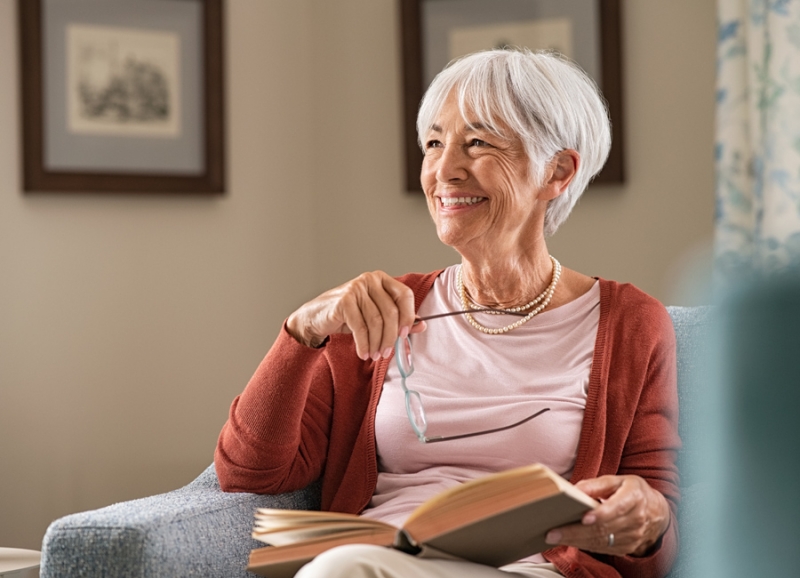
Wellness for older adults goes beyond physical health and prevention of illness. This month, we focus on the habits that support you in feeling your best. During the Golden Years the key elements of wellness include:
- Emotional Fulfillment and Social Connection
- Mental Stimulation
- Physical Movement
Let’s take a closer look at each of these; then, check-out our tips to help you create a wellness routine in older adulthood.
- Emotional Fulfillment and Social Connection
Having opportunities to connect socially is directly related to feeling emotionally fulfilled. These two areas of wellness intersect, and both are vital to older adult well-being. You don’t need to be a socially butterfly, but you do need to have outlets to connect with others as these engagements help combat loneliness, depression, anxiety, and support overall healthy aging.
How an older adult defines emotional fulfillment, and the extent of their social connections will vary for each person. At Everbrook Senior Living, we offer programs that support older adults as they explore activities and engagements that creates a sense of purpose and brings more meaning to their lives.
- Mental Stimulation
An active mind promotes brain health and protects against cognitive decline. This means your better able to focus, concentrate, recall information, and engage in problem-solving. Now, you don’t have to solve calculus problems as a hobby to keep an active mind! Daily mental stimulation through games, puzzles, art and music, travel, book clubs, volunteering, or nurturing an existing or new hobby are all great ways to support brain health.
- Physical Movement
Keeping physically active as an older adult is essential for your mobility, balance and coordination, muscle strength and stamina, heart health, and brain health, too! Whether you walk, swim, practice yoga, hike or garden, movement on a daily basis protects against diabetes, heart disease, and cancer. Exercise routines tailored to older adults helps older adults maintain their independent longer, too.
Never too Late for Wellness in Older Adulthood
Transitioning from the busy, working adult years into active older adulthood brings about many changes. If you’ve had the benefit of planning ahead for your emotional, mental, and physical wellbeing in older adulthood—good for you! If you haven’t—or if you’re struggling now to find balance in these essential areas of wellness, it’s not too late to get started.
Here are three easy ways to begin:
- Prioritize Self-Care. Self-care means putting first the things that matter most to sustain your health and vitality. This includes healthy nourishment, sufficient sleep, adequate water intake, taking medicines as prescribed, tending to preventive health screenings, drinking in moderation, avoiding nicotine, caffeine and processed foods, and making time for family and friends. If you’re struggling to prioritize self-care, consider talking to a health coach who specializes in older adult wellness.
- Manage Stress. Yes, managing stress is a part of self-care, but it’s so important to mental and physical health (at every age) that it gets special attention. For older adults, chronic stress can make existing health conditions worse and trigger new health problems. Stress is linked to illnesses such as autoimmune conditions, heart disease, cancer, dementia, and anxiety and depression. One of the best and simplest ways to manage stress is to spend time in nature. Also consider yoga, mindfulness meditation, and learning deep breathing techniques.
- Create a Daily Routine. You might need to look at your daily routine to identify where you are wasting energy and time on things that don’t matter and don’t support health. Routines create stability, reduce stress, and even promote happiness. Change is not always easy, but it doesn’t have to be hard. Start small and stay consistent. Consider telling one close friend or family member what you’re wanting to accomplish and ask them to be your accountability partner. You’ll have a greater likelihood of success with social support!
The communities at Everbrook Senior Living provide every resident with opportunities to participate in physical activities, social engagements, creative outlets, and much more. Our dedicated and compassionate staff will support you in establishing routines that mesh with your unique needs, interests, and goals—in all the key areas of older adult wellness. If you’re curious about what life could have in store for you in the Golden Years... come visit Everbook Senior Living and discover the possibilities for a healthy, active and vibrant life – the life you deserve.
Published in
Health & Wellness
Tagged under
Friday, 10 January 2025 14:04
Create & Maintain Quality of Life in Your Golden Years
Written by Karen M. Rider
So, what does it mean to have quality of life in your Golden Years? The topic is so important that the month of January is recognized as International Quality of Life Month.
Whether you’re approaching retirement age or helping a parent plan for their Golden Years, an important consideration is how to create and maintain quality of life. Older adult quality of life goes well beyond the size of one’s retirement income. There are plenty of people with substantial retirement accounts who don’t have quality of life.
Beyond the basics of physical health, comfort, and safety, older adult quality of life encompasses the individual’s needs, interests, and goals so they can experience wellness and happiness, day-to-day. At the core of quality of life for older adults are social-emotional factors that empower them to maintain their dignity, independence, and social connection and which create opportunities for a fulfilling life.
Tips to Create & Enhance Quality of Life in Older Adulthood
The habits and attitudes that you adopt during older adulthood can keep the mind “youthful” and contribute to feeling more energetic, motivated, and connected in life. It’s never too late to take action to create and enhance your quality of life.
1. Keep Your Mind Sharp
A mind kept active by learning, reading, exploring, and meditating pays big dividends! Keeping your mind sharp offers protection against dementia-related decline, improves memory and reaction time, and supports independent living. Here some ways to challenge your brain:
- Solve puzzles: jigsaw, word search, crossword, sudoku
- Learn sign language
- Learn a new craft
- Learn a new skill including new technologies
- Keep a diary
- Play games—board games and digital games both have benefits
- Do an 'Escape Room' with friends—2 benefits: brain challenge and social connection!
- Exercise—it’s good for your brain!
2. Don’t Be a Loner
As we get older, our social circles change—children grow-up and create lives of their own, so ours don’t revolve around their needs anymore. Work relationships change after retirement and casual get-togethers tend to dwindle. Social isolation and lonliness is a significant national health concern, particularly for older adults. Don’t fret! There are so many ways to maintain/create social ties and build community in the Golden Years. Try these:
- Join the Y, JCC, Senior Center, or a special interest club (art, photography, book club)
- Inquire at a local public library about online or in-person groups for seniors
- Volunteer – older adults make great readers to young kids, literacy coaches, and helpers at soup kitchens, or with programs like Habitat for Humanity.
- Schedule a weekly date with one or more friends—and keep it!
3. Get a Move On!
Physical activity is essential for mental and physical health. It also supports healthy social connections. Regular physical activity helps an older adult maintain mobility, balance, strength, and heart and lung health. You don’t have to move like Jagger, but you do need to move, even if it is from a chair. Try these activities to do your body and mind good:
- Chair (or mat) yoga
- Country line dancing or other dance class
- Swimming or water aerobics
- Walking with a friend
- Gardening
4. Bridge the Generational Gap
Keeping in touch with the younger folks in your family or community can be challenging. They’re busy living lives of their own and as we age we tend to put the onus of maintaining connections of the young person. Don’t wait for them to reach out—call, text, write a letter and don’t give up. Do, of course, let them know that when their lack of response bothers you and express how you feel Be proactive—suggest plans, invite them over, or schedule regular video chats to share what is going in your lives.
5. Practice Relaxation
Establishing a routine relaxation practice helps to reduce stress, improves brain function, reduces muscle tension, and supports a healthy immune system. Some of the best ways to practice relaxation include: sitting (or lying) meditation, yoga, visualization, deep breathing, listening to soothing music, journaling, and spending time in nature. All have similar and their own unique benefits for mind and body health and to promote overall wellbeing.
- Set aside 10-15 minutes each day to practice
- Keep a journal of your state of mind before and after your practice
- Try a meditation app to help you begin and progress
There are many other factors that contribute to older adult quality of life, some of which you can learn more about on our blog, including:
- quality sleep for older adults
- nutrition for wellness and brain health
- hobbies and volunteerism
- setting intentions
- maintaining intimacy and social connection
Redefine Purpose, Passion, and Leisure at Everbrook Senior Living
Engaging in hobbies and leisure activities is vital to quality of life in the Golden Years. The activities we’ve discussed offer a sense of purpose and fulfillment, both of which support healthy, independent living for older adults. Really, though, it’s just the tip of the proverbial iceberg as there are as many ways to create meaning and quality of life in older adulthood.
At Everbrook Senior Living, our best-in-class programs and services are focused on the unique interests and needs of every resident. We design custom programs to help our residents explore meaning and redefine purpose and passion for themselves.
Whether it’s gardening, painting, a club focused around movies, books, or the NFL, or any other activity, we offer a multitude of options for creativity and self-expression and social interaction.
We create environments and provide care that addresses and nurtures an older adult’s physical, emotional and social well-being. A holistic approach is crucial in truly enhancing the quality of life for the elderly. Everbrook's caring and professional staff considers every aspect of an older adult quality of life. We wouldn’t want any less for our own family members and you should expect no less for you and yours.
Published in
Health & Wellness
Monday, 04 November 2024 12:50
The Healing Power of Music for Older Adults
Written by Karen M. Rider
From youth through older adulthood, we’ve all experienced the power of music in our lives. Whether it’s a moving instrumental piece or a swift beat with diverse vocal range, music has the power to shift your mood, inspire creativity, enhance concentration, evoke memories, and make mundane tasks more enjoyable.
The influence of music on health and behavior, particularly among older adults, is a topic of growing research interest. A specific set of 10th Century musical frequencies, known as the Solfeggio Frequencies, lay the foundation for modern interest in music and health.
In this article you’ll learn more about:
- the effects music can have on an older adult’s physical and emotional wellbeing
- what the Solfeggio Frequencies have to do with music and health, and
- tips for bringing the health benefits of music into an older adult’s life
Health Benefits of Music for Older Adults
According to the National Poll on Healthy Aging (2024), more than 50% of adults age 50-80 listen to music daily and 98% stated they feel music provides health benefit. In particular, the older adults also indicated that listening to music reduces stress and tension and helps them relax. Since stress plays a crucial role in many disease processes, the ability of music to reduce a person’s experience of stress is important to wellbeing. Participants also reported that music:
- positively affects an older adult’s mood, attitude or mental health
- motivates or “energizes”
- keeps the mind sharp, improves mental focus
- brings joy
- creates connection with others (reduces social isolation)
- reduces pain
- evokes memories & recall of life events
Even though these findings are subjective—meaning they are a compilation of data as reported by the participants, the results align with findings from well-designed studies on music and health. A variety of studies show that music has effects on:
- psychological state (mood, emotion, anxiety, depression, agitation, etc.)
- physical health (heart rate, blood pressure, breathing, balance, coordination)
- brain function (brain waves, learning, memory, concentration)
- activity in the nervous system (states of physical and mental tension/relaxation)
- immune system response (healing from illness, recovery from surgery)
- endocrine system function (hormone balance)
Overall, the research points to music as a valuable intervention to support older adult health and wellbeing. Some studies even indicate music as a useful therapeutic intervention for people who are experiencing dementia or Alzheimer’s disease as well as other conditions that affect learning and memory.
So, what do the ancient Solfeggio Frequencies have to do with music and older adult health?
What are the Solfeggio Frequencies?
The effects of music on health and behavior fascinated the ancient Greeks and the great thinkers of other early civilization. The earliest effects of music on states of wellbeing were observed using a specific six-tone scale, a.k.a., the Solfeggio Frequencies.
The Solfeggio Frequencies are most commonly associated with Gregorian Chants, a form of spiritual music common to early Christianity and ancient Sanskrit chants. The intention was to use sound to evoke a trance like state to facilitate deep spiritual insight or meditation. Over the millennia, the scale has been incorporated into all types of modern instrumental and vocal music. Think of your own everyday experiences of listening to music through film, radio, live performance and how the tones and scales evoke feelings and allow us to form a connection between the music and oftentimes, other things happening in our life at the time. This unique feature of music, as intriguing as it is, is not the reason why the Solfeggio Frequencies matter to health.
The Solfeggio Frequencies Importance in Health & Behavior
The Solfeggio’s six scales were claimed to be associated with specific healing attributes:
- First Note, 396 Hz - release feelings of guilt and fear.
- Second Note, 417 Hz - facilitate change in life; release the conscious and subconscious mind from traumatic past experiences.
- Third Note, 528 Hz - bring about profound physical transformation.
- Fourth Note, 639 Hz - improve our connection and relationships with the people in our lives, ex.: healing strained relationships and forming new ones.
- Fifth Note, 741 Hz - help us communicate and share our gifts more fully.
- Sixth Note, 852 Hz - facilitate a return to spiritual tranquility.
When the modern 12-note scale was introduced, only a subset of spiritual practitioners retained the tradition of Gregorian Chants; the Solfeggio was nearly lost to history. Around the 20th Century, a resurgence in Gregorian Chanting brought about interest in the healing effects of music and scientific inquiry into music tuned to the Solfeggio. This led to the scientific and medical research of today, as well as the use of music therapy in clinical settings and in older adult wellness programming.
It's easy for older adults (or their caregivers) to bring the healing power of music into their lives to promote health and wellbeing. Here are a few ideas:
- Join a music listening group with a friend or loved one. Many support groups (e.g., for dementia, chronic disease, cancer and cancer survivors) have resources for choirs, instrumental groups, and music listening groups.
- If you have a religious tradition, consider attending a religious service to sing spiritual hymns and songs.
- Play music at various times of day to stimulate positive atmosphere and shift mood
For someone living with disorders of memory, consider these approaches:
- Choose music from the era when they were a teenager.
- Encourage an older adult who previously played an instrument to try it again.
- Attend a local concert or watch a filmed concert
- Sing, dance and move to music
- Play soothing music, Gregorian Chants or sound therapy music to help with transitions from activity to rest (naptime, bedtime)
If you aren’t sure where to begin with music for health, inquire with a holistic practitioner for a referral to a music therapist or a sound healer. Or contact one of the following organizations to find a practitioner in your area:
International Sound Therapy Association https://ISTASounds.org
The Association of Sound Therapy https://harmonicsounds.com/association-of-sound-therapy
Sound Healers Association https://www.soundhealersassociation.org
American Music Therapy Association https://www.musictherapy.org
World Federation of Music Therapy https://wfmt.info
Resources
Chandra, ML. & Levitin, DJ., “The Neurochemistry of Music.” Trends in Cognitive Sciences, (April 2013) 17:4. Accessed 4 May 2017: https://daniellevitin.com/levitinlab/articles/2013-TICS_1180.pdf
APA.org “Science Watch: Music as Medicine.” Posted by Amy Novotney; (Nov 2013 44:10). Accessed on 4 May 2017:
Sloboda, J.A. and O’Neill, S.A. “Emotions in everyday listening to music.” In Music and Emotion: Theory and Research (Juslin, P.N. and Sloboda, J.A., eds) (2001) pp. 415–429, Oxford University Press. Accessed 4 May 2017
Published in
Health & Wellness
Tagged under
Thursday, 05 September 2024 13:02
Aging Wise and Well into Your 50s and Beyond
Written by Karen M. Rider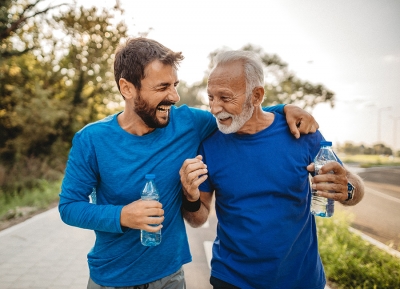
Ah… the big 5-0! Whether you’re just celebrating the “half century” milestone, or you’ve been in your 50s for a while, you’ve probably noticed the subtle signs of aging in the way you move, how you handle stress, and your energy level. Fear Not!
You can continue to age wise and well by following our tips for aging into your fifties—giving additional longevity to your mind-body vitality.
How Your Body Changes During Your 50s
The aging process actually begins in earnest shortly after age 30. At this point, age-related changes tend to be slow and subtle, but become definitively noticeable by the time you enter your forties.
For both men and women, the body loses physical and emotional resilience as they age. Once you get to age 50, there are several noticeable changes such as:
- Lower energy level
- Tiring more easily
- Longer time to recover from illness
- Decrease in muscle strength, agility & flexibility
- Joint stiffness, back pain
- Changes in fat-to-muscle ratio
- Wrinkles are more noticeable
- Thinning hair
- Increased sensitivity to noise
- Changes in sex drive or function
- Menopause for women
- Increased forgetfulness
- Decreased emotional resilience
Some of these changes will be due to hormonal fluctuations, such as the loss of estrogen during menopause for women, and dropping testosterone levels for both men and women.
Really, why do we age?
New research points to inflammageing as significant underlying cause for the aging process. The theory goes something like this:
Age-related changes happen due to inflammatory responses that occur in in the body over time. These changes have effects on all the major physiological systems: immune, nervous, cardiovascular, musculoskeletal, and endocrine. Essentially, everything from the brain and nerves to muscle and bone, heart, lungs, and metabolism go into decline.
What’s that mean, exactly?
You start to feel less resilient to the stresses of life, the environment, illness, and so on. This “inflammageing” process looks different for each person based on factors such as:
- Genetics – some people age slower, others fast
- Personal health history – how well have you taken care of yourself over the years?
- Illness history – have you had many health problems?
- Lifestyle – do you take the time to take care of your mind, body and spirit? Diet, how much you drink/smoke, exercise, etc.
How to Age Well in Your Fifties
Here are our 5 essential tips to support optimal health and youthful vitality in your fifties:
Tip #1: Stay Up to Date on Health Screenings. Be sure to see your healthcare provider for the appropriate age-specific health screenings. For example, if you’ve been a smoker, then a lung cancer screening may be essential. And, if you do still smoke, try to quit—it’s never too late! You likely also need to have routine screenings for breast cancer, prostate cancer, colonoscopy, among others.
Tip #2: Stay Mentally Fit. Mental stimulation is essential to protecting the brain from age-related decline and dementia. Stay mentally engaged by learning a new skill or teaching someone a skill you are good at. Put you mind to work on a daily puzzle or crossword.
Tip #3: Prioritize Sleep. If you don’t have a sleep routine, it’s not too late to create one. Quality sleep isn’t just about how many hours you're asleep; it’s the quality of those hours. A sleep routine includes a routine such as a warm bath or skincare ritual before bed, darkening the room and keeping the temperature cool, and turning-in and waking at consistent times each day. Remember to unplug from digital devices within 2 hours of bedtime.
Tip #4: Eat Fresh, Whole Foods. A “rainbow on your plate” is a great way to think of healthy eating. Be sure your diet is full of a variety of fruits, veggies, lean protein, and unprocessed grains. Limit eating foods from a box or bag as this will reduce your intake of sodium, sugar, and trans-fats. Hydration is important, especially for older adults. Be sure to drink more water, less soda and alcoholic beverages to support optimal health in your fifties.
Bonus Nutrition Tip: Aging bodies don’t always absorb nutrients as well as when we were younger. And sometimes, as we age, we don’t or eat a balanced-enough diet to provide essential nutrients that aging cells need. You may want to consult with your doctor about nutritional supplements for older adults, including: calcium, magnesium, fiber, vitamin D, vitamin B-6, vitamin B-12, probiotics, and Omega-3 fatty acids. You may also need more protein in your diet.
Tip #5: Move Your Body. Daily physical activity helps to protect the heart, lungs, muscles, bones, and joints. Your 50’s is the ideal time to participate in gentle, weight-bearing activities to help slow down bone loss. New to exercise? Follow the physical activity guidelines for older adults, or consult with a certified fitness professional who specializes in older adult exercise and wellness.
Tip #6: Connect with Others. Social connections are crucial to mental health at every age, and even more so in the older adult years. Connecting with others reduces loneliness, which the US Surgeon General has stated is as deadly as smoking! Look for ways to engage with people of all ages and in different settings. If your family and friend circle is small, consider volunteering in your community or joining a book or board game club at your local library or bookstore.
At Everbrook Senior Living, we view the fifties as a time to focus on you! After years of attending to family, a career, and community obligations, we support your health and wellness journey through state-of-the-art residential and wellness amenities. We offer programs, clubs, classes, and outings that help you preserve and enhance your physical and emotional well-being. Contact us today and come see for yourself what aging wise and well looks like at Everbrook!
Published in
Health & Wellness
Tagged under
Monday, 01 July 2024 13:35
5 Hidden Warning Signs Your Aging Parent Needs Assisted Living Care
Written by Karen M. Rider
Do you feel like you are having to keep tabs on your aging parent? Are you second guessing if mom or dad should still be living on their own and may need more supervised care? There are several hidden warning signs that can be indicators an aging parent needs assisted living care.
- Forgetfulness
- House is a Mess
- Changes in Mobility
- Poor Personal Hygiene
- Not Engaging in Day-to-Day Activities
When observing your older adult parent in their living space, you’ll want to keep tabs on the following warning signs to assess whether or not they can continue to independently care for themselves and their home. You may want to keep a notebook, so you can see patterns of behavior and can share this information with your parent and their physician. This information will be helpful for decision making and for engaging with assisted living counselors when you start evaluating residential options for your parent.
When you are making notes about these changes in your aging parent, you’ll also want to observer how they respond to the changes themselves and how they respond to you when you try to discuss these things with them:
- Does it frustrate them? Is the frustration at an acceptable level?
- Can they problem-solve to find a healthy, reasonable work-a-round to the change?
- Do they get anxious, unnecessarily aggravated or belligerent?
- Do they brush it off, even though they changing their behavior as a result and this is affecting their usual quality of life?
1. Forgetfulness. It may not seem like a “hidden warning” because forgetfulness in older adults is something we typically think of as really obvious. Before forgetfulness gets to the problematic point, it progresses, for most people, at a slow pace. You’ll want to look for consistent, insidious patterns of forgetfulness. This is more than just occasionally misplacing the car keys—something all of us do from time-to-time. When the car keys (or anything else) go missing more than occasionally, and to the point where the keys can’t be found so your parent can’t drive the car, that’s the kind of progression that’s a sign something more serious is going on with memory.
A red-hot warning sign for forgetfulness, which can have tragic outcomes is your aging parent forgetting to take their medication. Be sure that you are keeping tabs on their dosing—that they aren’t taking too much or too little (or none at all), which could result in a medical emergency situation. Other significant warning signs for forgetfulness include: not remembering where they placed important documents, forgetting to cash checks received, to pay bills electronically or by mail, or placing perishable foods in a cabinet instead of the fridge.
2. House is a Mess. If your parent wasn’t a messy person most of their life, and their living space starts to look in disarray, that could be cause for concern. Take notice of:
- the condition of floors, carpets, counters (they stopped vacuuming or dusting)
- piles of dirty dishes in the kitchen
- the cleanliness of the fridge – is there spoiled food in fridge?
- trash piles inside / outside the home
- evidence of hording
- evidence of insects or rodents
- grass has not been cut/front porch swept
- if they own pets: are the pets toileting in the home?
These things could be signs of forgetfulness and/or changes in mobility, meaning your parent is no longer able to do these things and is ashamed to tell you.
3. Changes in Mobility. The obvious signs are frequent falls and similar mishaps with movement. Before that degree of change, you’ll want to look for these hidden warning signs in your aging parent’s mobility:
- Do they hold onto furniture to move about a room?
- Have trouble standing from a sitting position? Rising from their bed?
- Do they have difficulty navigating even a few steps or the curb?
- Are they avoiding going up or down stairs even though that’s the only way to access a bedroom or bathroom? (In which case—are they washing themselves at the kitchen sink or sleeping on the couch?)
4. Poor Personal Hygiene. If an aging parent suddenly looks unkept, has body odor, or seems to be wearing the same clothes over again, these are subtle signs they are losing the ability to independently care for themself. So pay attention to these things each time you visit:
- Are they brushing their teeth?
- Are they doing laundry (can they access the laundry room?)
- Are the closets/drawers for clothes organized or in disarray?
- Do they have soap, deodorant, and other personal hygiene products or are they forgetting to buy these things?
- If they usually wore make-up, have the stopped or are they applying it wrong?
5. Not Engaging in Activities. If your aging parent has discontinued participation in their usual hobbies, social outings with friends, or routine shopping... and this is not due to an acute illness or minor physical set-back, be concerned. You’ll want to talk
Is it Time for Your Aging Parent to Move to Assisted Living?
If you find that your aging parent displays any of these hidden warning signs of not being able to care for themselves and their living space, then it may be time to consider assisted living. This is especially important to do if you are unable to take-on the challenge of caregiving for your parent. Everbrook Senior Living offers support from compassionate care counselors who can in help you decide about assisted living care that meets your parent’s unique needs. We provide the resources and options necessary for making an informed and affordable choice. Not only do our state-of-the-art, luxury residences provide medical attention your loved one may made need, they will also have access to a full complement of recreational, social, emotional, and cultural activities to support their well-being in their Golden Years.
Published in
Health & Wellness
Tagged under
Wednesday, 05 June 2024 14:19
Depression in Men: Tiggers, Experiences, and Coping
Written by Karen M. Rider
We’ve covered a great variety of health topics on our blog—most of which focus on encouraging older adults toward an active lifestyle to support their social, physical, and emotional wellbeing. This month, in recognition of National Men’s Health Month, we want to focus on a topic important to men’s emotional and mental health: depression in men. To be clear, depression is not a part of the normal aging process. Depression in older adult men can be overlooked when other health conditions are present, such as dementia. This makes it all the more important to understand and be able to recognize depression in older adult men.
The experience of depression can be quite different for men compared to women. It’s important for loved ones to be able to understand a man’s unique experience of depression so they can best provide support for coping with this serious mental health condition.
Who Suffers from Depression?
Of all the mood disorders, depression is the most common, afflicting over 21 million Americans from all ethnic groups, ages, and backgrounds each year. Annually, over six million men suffer from depression. In general, men (compared to women) have been less open about reporting symptoms of depression to a healthcare provider. In recent years, thanks to high profile stories of men speaking openly about their mental health and a movement to de-stigmatize conditions like depression, men have been more forthcoming about their struggles with depression.
There are still generational differences around mental health, including depression. Some older adult men may not be willing to admit to feeling depressed—they may look for a “logical reason” for what they are feeling, and become despondent and/or angry when they can’t pinpoint that reason to explain their depressed mood.
A Man’s Experience of Depression
Ups and downs in mood are a natural part of being human. Hour to hour, day to day, our emotions can shift based on events in our lives and our perceptions of these events. Clinical depression in men reflects a disturbance in mood and emotion over a period of time, interfering with a person’s usual daily routine and their ability to derive enjoyment from living as they usually do.
If you are concerned that a man in your life may be struggling with depression, ask yourself if there is evidence of the following signs/symptoms:
- Uncontrolled anger or violent behavior that is uncharacteristic of them
- Increased use of alcohol / tobacco
- Reckless behavior
- Changes in usual eating & sleeping habits that persists for 2+ weeks
- Frequent complaints of headaches, physical pain, or similar
- Feeling unrelenting pressure, even when simple requests are made
- Changes in how they view themselves and their life
- Decreased desire for social interaction, relationships, and intimacy
- Not able to experience joy in things that usually hold meaning/interest for them
What Can Trigger Depression in Older Adult Men?
For older adult men, depression can be triggered by situations that create feelings of helplessness, anger or stress, such as:
- Overwhelming change in responsibility at work or home, including caretaker duties
- Retirement, particularly if there isn’t a plan for it
- Feeling dissatisfied with their accomplishments in life
- Unanticipated changes in relationships (loss, illness, broken ties)
- Chronic illness, injury, disability that alters lifestyle & independence
- Changes in memory / other areas of cognitive function
- Financial problems
Remember: There isn’t a single cause of depression; sometimes, it can afflict a man for no apparent reason. This is why addressing depression must consider biological (genetic factors), psychological, and social factors as well as things like lifestyle choices, relationships, and coping skills.
What Can Older Adult Men Do to Protect Against Depression?
Men can do many things to help protect against risk of depression. The following healthy living tips are a good start:
Get Cuddly. Hugs, a gentle hand on the back, and other affectionate touch is shown to reduce stress, and lower heart rate and blood pressure. It also increases the hormone oxytocin, which plays a role in our desire for social and romantic bonding. Touch, ideally, is between two people who care for one another’s well being, but older adults can also benefit from cuddling a dog—a live animal or a robotic therapy pet!
Stay Social. Older adults need in person social connections to support their emotional wellbeing. People who maintain social ties—over a cup of coffee, lunch, dinner, or a game of cards—have lower risk for depression and other health problems, tend to live longer, and report having happier lives, overall.
Eat a Brain Smart Diet. The food you eat influences the production of brain chemicals (neurotransmitters) that play a role in regulating emotional experience and mood. A brain smart diet includes primarily plant0based whole foods, lean cuts of poultry and fish, and, less frequently beef, as well as a variety of nutrient-rich fruits and vegetables.
Mood Lifting Movement. There’s a significant link between exercise and positive mood. You don’t need to have a racing heart rate to get the mood boosting effects of exercise. You can benefit from taking a stroll through your neighborhood, dancing in your living room, splashing around in the pool, plating catch, or even doing yoga in a chair. If you can get a partner to join you, even better: You’ll reap the benefits of social connection while engaged in mood lifting movement!
In older adults, what looks like depression could be another underlying health condition—such as sleep deprivation or dementia. And, some health conditions common to older adults can mask a depressive disorder. If you suspect that you, or a loved one, is experiencing depression, please speak to a healthcare provider right away.
Resources
Anxiety and Depression Association of America. “Men’s Mental Health”
Mental Health America. “Depression”
Murray, M.T. and Pizzorno, J. “Depression.” Cited in Encyclopedia of Natural Medicine (3rd Ed.) 2012. New York, NY: Atria Paperback: Simon & Schuster, Inc. p. 497-498.
Published in
Health & Wellness
Tagged under
Thursday, 08 February 2024 13:03
Dark Chocolate, a Healthy Heart & Senior Romance
Written by Karen M. Rider
Older adults can celebrate Valentine’s Day and American Heart Month by treating their senior sweetie to a heart-healthy treat: Dark chocolate.
More than just an indulgence, nutrients found in dark chocolate can support cardiovascular health, which is important for aging adults. But not just any ole’ dark chocolate; you want to indulge in dark chocolate with a high cacao content. What’s so special about cacao? Glad you asked!
Cacao: Raw Chocolate, Food of the Gods!
Considered by ancient Mayan culture to be the ‘food of the gods,’ cacao is cocoa (chocolate) in a raw, less-processed form. Cacao grows from trees called Theobroma cacao, which are native to South America and West Africa where more than half of the world’s cacao comes from. After harvesting, cacao is processed to make various chocolate products. The more cacao is processed, the more nutrients it loses. Less processing not only helps dark chocolate retain nutrient density, less additives are mixed-in, such as added sugars, palm oils, butters, and artificial flavoring.
To derive maximum health benefit from eating dark chocolate (in moderation) choose chocolate that contains 70-85% cacao (60% is the minimum cacao content).
What Makes High Cacao Dark Chocolate Good for You?
Like most plants, cacao contains nutrients and plant compounds (known as polyphenols) that support health. Dark chocolate, that is minimally processed, contains several health-promoting compounds. When cacao-rich dark chocolate is eaten in moderation as part of an otherwise healthy diet for older adults, it is associated with the following heart-healthy benefits:
- Antioxidants help to protect the health and integrity of cells and tissues by neutralizing free radical molecules in your body. (Free radicals are by-products of oxidative stress that occurs when your body is exposed to toxins.) Antioxidants are also associated with keeping inflammation at bay, which helps protect health and lower risk for chronic disease.
- Flavonoids/flavonols are plant compounds that promote heart health by fighting free radicals, supporting blood flow, and lowering blood pressure. In regard to cholesterol, some studies of overweight and obese persons show that dark chocolate reduces LDL particles in the blood vessels; LDL cholesterol is what clogs arteries and leads to heart disease.
- Magnesium, Potassium, and Zinc are minerals that support muscle tissue, heart function, and immunity. 1
Dark Chocolate as Part of an Older Adult’s Healthy Diet
Knowing that dark chocolate can support heart health isn’t a free pass to eat bars of it every day. When nutritionists and healthcare providers suggest eating dark chocolate, they are talking about an ounce or two a couple of times a week. They also intend for you to reduce your intake of overprocessed sweets and snacks and replace those with cacao-rich dark chocolate. In a nutshell, dark chocolate should a part of an older adult’s healthy diet inclusive of veggies, fruits, lean meats, poultry, and plenty of water.
Check out these 12 healthy versions of dark chocoalte recipes – our favorite: The Dark Chocolate Fondue.
This Valentine’s Day, surprise your sweetie by making cacao-rich dark chocolate fondue and sharing dipped fruit together. Remember to use chocolate ingredients that is 60% or higher in cacao content.
Fun Flavor Fact: Raw cacao has a unique flavor profile! Depending on the cacao content, dark chocolate can be slightly to very bitter compared to its more processed chocolate cousin. This is why many high-cacao dark chocolate products are infused with other nutrient-dense ingredients, such as dried fruit (raspberry, acai berry, blueberry) or fruit extract (orange, berry) or nuts (walnut, cashew). These ingredients cut the bitterness and enhance the sweet, tangy flavor profile of dark chocolate.
Published in
Health & Wellness
Tagged under
Wednesday, 21 June 2023 14:52
Celebrate and Maintain Independence in Older Adulthood
Written by Karen M. Rider
Free from the obligations of work and raising a family, older adulthood can be a time to celebrate independence. Let’s explore essential tips to help you (or a loved one) maintain—and celebrate independence in older adulthood.
For some people, the ‘golden years’ present the opportunity to take life at as fast or slow of a pace as one desires. It can be a time to explore hobbies, travel to exciting destinations, rekindle or create new friendships, and spend quality time with beloved family. Maintaining independence throughout older adulthood does take some focus and effort, if one is to stay physically able-bodied and mentally sharp.
Tips for Supporting Older Adult Independence
Stay Socially Connected
Preventing social isolation is crucial for older adults’ physical and emotional wellbeing. As we get older, our social ties can decline because of changes to our health, relocation, and death. It’s important to keep renewing our social connections, which can protect our social emotional health, particularly from depression, anxiety, and memory-loss related conditions such as dementia. Social connections for older adults are kept strong through mutually rewarding activities and interests such as:
- senior center programs (clubs, movie nights, field trips)
- hobbies (golf, swimming, book club, chess club, knitting, etc)
- volunteer work
- frequent visits to and from family, friends, or former colleagues
Living in a senior living community, such as Everbrook Senior Living, makes it simple for older adults to stay young-at-heart. These communities often provide on-site wellness programs, trips, dining clubs, and maintenance-free living so you have the time to enjoy your free time.
The Game is Afoot!
Games are a wonderful way for older adults to keep the mind sharp, connect with others, and have fun with a significant other, grandkids/ family, old friend, or to make new friends. Board games or card game clubs can be found through your local library, senior center, YMCA, or JCC. Such clubs are also present at most senior living communities, and often are peer-led by residents of the community, making it easy to make new friends. Check out these crafts and games designed to celebrate senior independence on Independence Day.
Stay in Motion
Exercising in older adulthood helps to maintain physical strength, stamina, coordination, emotional wellbeing, and mental sharpness. When you feel strong and capable, that supports independence. If you were an athlete earlier in life, you may very well be able to maintain vigorous activity during older adulthood. For other folks, being physically active in older adulthood means changing the intensity or type of activity—if your knees aren’t up for running, switch to power walking or swimming, for example. There are so many types of exercise routines that can be modified for an older adult’s needs, from weight training to yoga. Just check with your doctor before starting an exercise program or switching to a new activity.
Elegance and Independence at Everbrook Senior Living
When you reside at an Everbrook Senior Living community, you’ll have access to the Wellnes 4 Later Life Program, which addresses all of your physical, social, and emotional needs. You’ll work with an on-site exercise physiologist and have access to physicians to assess and monitor your health. At Everbrook, you can live among like-minded peers, experience new adventures, and enjoy the simple luxuries of active, independent living in your golden years.
Give us a call today to learn more about all that we have to offer.
Published in
Health & Wellness
Tuesday, 07 February 2023 13:29
Healthy Intimate Relationships in Older Adulthood
Written by Karen M. Rider
Need for intimacy does not diminish as we grow older. Whether romantic or platonic, maintaining close relationships helps older adults experience greater vitality, a sense of belonging, and deeper meaning in life. There are also many health benefits that come with maintaining healthy intimacy during one’s golden years.
Benefits of Intimate Relationships for Older Adults
- Lower stress, greater resilience
- Better recovery following surgery
- Protection against depression and anxiety
- Lower resting blood pressure
- Enhanced feelings of self-worth and meaning
- Overall better health (e.g., less frequent illness)
- Longer lifespan
Ways Older Adults Can Enhance Intimate Relationships
Whether it’s the closeness between two friends or sparking romance, there are some very simple ways to older adults can enhance their intimate relationships.
Everyday Moments Matter. Physical touch in small, mindful doses throughout the day is an easy way to let someone know of your affection for them. From a spontaneous backrub or foot rub to a gentle touch on the hand or shoulder, these signal to the other person that they are important to you.
Laugh Together. This is a good excuse to go to a funny movie or a comedy club: Laughing eases stress, promotes social bonding, and lowers blood pressure. It may even boost your immune system. Whether with your romantic partner or a special friend, think of ways that the two of you can laugh together more often.
Share More Deeply. Conversation with your significant person is a great way to build intimacy. However, discussion should be about more than the weather or the latest tragic story of the day. Sharing more deeply means opening up your heart, revealing feelings and disclosing hopes, fears, or dreams.
Switch-up Your Routine. By the time we reach older adulthood, we can be pretty set in our ways and routines. To create intimacy, get adventurous by switching-up your routines. This could be as easy as trying a new restaurant, working on a project/ hobby or taking a class together, or planning travel to destinations more exotic than you would typically consider.
It’s Thoughtfulness That Counts. We can get so accustomed to a platonic or romantic partnership that we forget to show appreciation for the other person by simply doing something nice for the other person. Enhancing intimacy can be as easy as offering a compliment, buying a small bouquet of flowers, helping with chores that are typically “the other person’s job”, or cooking a meal for the other person.
Unplug. Just like younger generations, older adults can get sucked into the digital world. Socializing on fine and developing new technology skills are great, but technology should not replace or interfere with personal interaction. Unplug and be fully present, in person.
Get a Little Sexy. Sexual intimacy in older adulthood can boost self-esteem, help reduce stress, enhance immunity, improve sleep, and help you maintain overall good health. If you’ve still got mojo to share (and who doesn’t) then get a little sexy! This might mean buying tasteful intimate attire for your partner, sharing a bed rather than sleeping apart (as many older couples resort to), exploring different ways to experience touch (e.g., massage), or if needed, working with a therapist who specializes in intimacy in older adulthood.
Healthy physical and emotional connection in older adulthood enhances intimate relationships. It’s good for your physical and emotional health and can strengthen friendships or spice-up romantic relationships.
At Everbrook Senior Living, the Life-Enrichment Activities Program is just one of the many offerings that focus on helping our residents establish and maintain meaningful relationships throughout the golden years. To learn more about our programs and arrangements for independent or assisted living, get in touch with us, today.
Resources
National Institutes of Health: Sexuality in Older Adulthood
Why is Intimacy Important for Older Adults? National Council on Aging
Published in
Health & Wellness
Monday, 01 August 2022 17:42
How to Protect Your Eyes to Reduce Your Risk For Cataracts
Written by Karen M. Rider
As we get older, particularly into our 50’s and 60’s, cataracts can become a common eye condition experienced by both men and women. Cataracts are a leading cause of vision loss in the United States, so it’s important to know how to protect your eyes to reduce your risk for cataract and to be able to recognize the signs of a developing cataract.
Cataract Formation
Like the rest of the body, the eyes and the structures that support the visual system undergo significant change as we age. One of the structures that undergoes the most change is the lens in the eye. The lens of the eye is located behind the pupil and the colored iris. The lens helps to focus images onto the retina, which then transmits the images to the brain. Normally the lens is “crystal clear.”
Aging, and other medical conditions can cause the lens to become cloudy and yellow. This can cause mildly blurry vision, resulting in changes in your eyesight. If the crystalline lens loses significant transparency and clarity, then a cataract has formed. A cataract is the clouding of the eye’s lens, causing blocks or changes in the passage of light into the eye.
Vision Changes Due to Development of Cataracts
If you have cataracts, you may notice changes in your vision, such as:
- Difficulty seeing in dim illumination
- Difficulty with night driving
- Colors appear faded or dull
- Experiencing glare, haloes, or light sensitivity
- Diminished vision
The only way to treat cataracts is to remove them surgically. The longer cataracts are left untreated, the more difficult it can be to successfully remove the cataract and restore vision.
Cataracts can affect you even if you’ve had normal vision and relatively healthy eyes throughout your life. This is because, for most people, cataract development is a part of the normal aging process.
Risk Factors for Developing Cataracts
Certain health and lifestyle conditions and use of certain medications can increase your risk for developing cataracts, such as:
- diabetes
- trauma to the eye
- chronic inflammation of the eye
- other eye disease
- repeated sun exposure without using UV protective eyewear (on cloudy days also)
- long-term use of steroids, cortisone (including for asthma)
- other chronic inflammatory medical conditions
- smoking
- genetics, family history
Preserving Eye Health, Reducing Risk for Cataracts
Early detection and treatment of cataracts is critical to preserving your vision. Even though cataract formation may be an inevitable part of the aging process for many of us, there are things you can do to preserve eye health and reduce your risk for cataracts having a significant negative impact on your quality of life.
Move that Body. Moving your body enough to elevate your heart rate for 30 minutes each day is not just good for your heart, lungs, joints, and muscles—it’s good for your eyes. Whatever you enjoy for movement, do it. Exercise, such as walking, swimming, yoga, tai chi, weight training, hiking, increases circulation, carrying oxygen-rich blood and nutrients to all the vital organs, including the eyes.
Get More Greens. Dark, leafy green vegetables contain antioxidants, vitamins A and C, and minerals that support the health of the eyes (and the whole body!). Increase your intake of broccoli, collards, spinach, dark leaf lettuces, sprouts, etc. to obtain these nutrients.
Be Cool, Wear Shades. UV-protective eyewear is essential year-round. In the summer, the days are longer, and sun exposure increases as we spend more time outdoors. In winter, the sun is lower in the sky and often can feel like it’s “at eye level” with us while we drive or are outdoors. Just because it is colder outside, does not diminish the impact of UV light on our eyes. If you boat or engage in winter sports, the glare of the sun off the water and the snow increases the damaging effects of UV rays. So…no matter the season, you’ve got to wear shades!
If you are concerned about changes in your vision, or experiencing any of the symptoms listed, it may be time to adopt healthier habits, make changes in your vision care plan, or consult with an ophthalmologist. The health and wellness team at each of the Everbrook Senior Living communities are here to support and guide you.
Resources
American Academy of Ophthalmology “What are Cataracts?” https://www.aao.org/eye-health/diseases/what-are-cataracts
Prevent Blindness https://preventblindness.org/cataract-awareness-june-2022/
Published in
Health & Wellness
Tagged under
More...
Friday, 10 June 2022 12:30
The Brain Health Benefits of Spending Time in Nature
Written by Karen M. Rider
No matter your age or activity level, you reap numerous health benefits from spending time in nature. Not only is time spent outdoors good for physical health, it is especially good for brain health. New research from the fields of psychology, health, medicine, and environmental science consistently shows that, for people of all ages, who spend as little as 15 minutes a day interacting with the natural world, experience lower blood pressure, less frequent headaches, and are at lower risk for anxiety and depression. With so much natural beauty surrounding the Everbrook Senior Living Communities, it’s easy to get your daily dose of “nature’s medicine.”
How The Lack of Time Spent in Nature Takes a Toll on Health
Enough research has been done to strongly indicate that people who spend the least amount of time outdoors have greater detriment to their well-being: higher risk of mental health conditions, obesity, high blood pressure, and other chronic illnesses. There’s even a name for the ill-effects of not spending enough time in nature—it’s called “nature-deficit disorder.” Nature deficiency contributes to the following health issues:
- increased stress
- trouble maintaining focus
- diminished emotional resilience
- deficits in self-expression, creative thinking, and reasoning
- difficulty establishing healthy social connections (at work, in the community)
- increased risk for and/or worsening of chronic illness
- loss of connectedness to nature and one's responsibility for protecting it
Even though nature-deficit disorder is not yet regarded as a medical condition, both conventional and holistic health practitioners recognize the significance of the detrimental health effects stemming from lack of contact with nature. In fact, in Canada, doctors can now prescribe national park passes to patients who are at risk for, or who are struggling with depression, anxiety, and certain other mental and physical health conditions. Many more physicians around the world have come to recognize nature-deficit as a nonclinical syndrome that can impair the emotional, cognitive, and physical functioning of adults and children.
The Health Benefits of “Nature’s Medicine”
A variety of scientific studies have looked at nature experiences such as wilderness therapy, backpacking and biking excursions, recreational hiking and camping, time simply sitting in a park or spent working in a garden. These studies have shown remarkable effects on health, particularly for the brain:
Nature’s Effect on Brain Health
Spending time in nature stimulates neural and sensory pathways (the pathways to and from the sense organs and the brain). This helps promote “neuroplasticity,” the process by which the brain forms new, and strengthens existing, neural connections. Additionally, research shows that neural pathways that have been exhausted by stress and the use of technology can be revitalized with regular time spent in nature.
- improved cognitive functioning (focus, attention, problem solving)
- enhanced self-awareness and feelings of peace, relaxation
- reduced anxiety, depression, and cognitive dissonance
- enhanced self-esteem and self-efficacy
- enhanced personal and social relationships
- reduced stress and worry
- enhanced ecological awareness
- enhanced appreciation for the interconnectedness of life and all its creatures
Nature’s Effect on Physical Health
Some of the health benefits of time spent in nature can be noticed immediately while others happen over time, including improved function of the circulatory system, the heart and lungs, and the musculoskeletal system. We also receive an abundance of natural light when we are outdoors, helping to boost the body’s natural production of Vitamin D, which is important for many physical processes, including a healthy immune system.
Get Your Daily Dose of Nature
Whether for 15 minutes or a few hours, there are many ways to experience the health benefits of nature:
Forest Bathing. This is not a dip in a river. It's not a hike with a destined path to follow. Forest bathing or shinrin-yoku, is a Japanese tradition that only dates back to the 1980s! Simply, forest bathing is a meditative immersion in which you slow down and intentionally turn your attention to the smells, textures, tastes, and sights of the forest (or trail, or park, or beach as the case may be).
Observe the Night Sky. Before going to bed in the evening, stand outside (away from artificial light) and gaze at the night sky. Try shifting your awareness from the whole sky to a cluster of stars, to a single star.
Take a Stroll. Leave the fitness tracker at home: This is not a goal-oriented, step-counting walk. Just stroll of as little as 5 minutes up to as long as you desire. As you walk, just breathe and observe. Try not to allow your mind to get caught up in any particular thought sequence. This is meditative walking.
Sit Outside. When was the last time you simply sat in your own backyard or on front porch? Or visited a park near your home or the office? Get there – without the phone – and just be present.
There are so many other outdoor pursuits you can learn (also good for the brain!). From paddleboarding, to taking a plein-aire art class, to joining a conservancy group to help with cleaning the trails – the point is to get outside and give your brain and body a healthy dose of nature’s medicine!
The Wonders of Nature, Just Outside Your Everbrook Front Door
The residents of Everbrook Senior Living Communities need not venture far to enjoy the great outdoors and the health benefits of spending time in nature. Our communities are nestled among tree-lined streets, near local parks and nature preserves, and New England’s finest trails and waterways are never too far. Discover all that Everbrook Senior Living has to offer… just outside your front door:
Colebrook Village - meander the historic villages and towns in and around Hebron, CT.
Stonebrook Village - sit alongside Enfield Falls (CT) or sojourn nearby hiking, biking, and fishing areas.
Elmbrook Village - explore colonial-era history by foot or take to the trails at Hopemeade State Park (CT).
Cedarbrook Village - venture into historic Ware, MA; enjoy the verdant hills, trails, and waterways.
Hillsbrook Village - nestled just outside Concord, NH and near Bear Brook State Park. This community is scheduled to open in Fall 2022.
Resources
National Park Service “Get Outside” Program
National Environmental Education Foundation
Natural Attraction Ecology video
"Why is nature beneficial?: the role of connectedness to nature." Mayer, F. S., Frantz, C. M., Bruehlman-Senecal E., Dolliver K. Environment and Behavior. 2009; 41(5):607–643. doi: 10.1177/0013916508319745.
"What Is the Best Dose of Nature and Green Exercise for Improving Mental Health? A Multi-Study Analysis." Barton, J., and J. Pretty. Abstract. Environmental Science & Technology 44, no. 10 (May 15, 2010): 3947-3955.
"Green perspectives for public health: a narrative review on the physiological effects of experiencing outdoor nature." Haluza, D., Schanbauer, R., Cervinka, R. International Journal of Environmental Research and Public Health. 2014;11(5):5445–5461. doi: 10.3390/ijerph110505445.
"Examining group walks in nature and multiple aspects of well-being: a large-scale study." Marselle, M. R., Irvine, K. N., Warber, S. L. Ecopsychology. 2014;6(3):134–147. doi: 10.1089/eco.2014.0027
"The restorative benefits of nature: toward an integrative framework." Kaplan, S. Journal of Environmental Psychology. 1995; 15(3):169–182. doi: 10.1016/0272-4944(95)90001-2
"The relationship between nature connectedness and happiness: a meta-analysis." Capaldi, C. A., Dopko, R. L., Zelenski J. M. Frontiers in Psychology. 2014; 5, article 976 doi: 10.3389/fpsyg.2014.00976. [PMC free article] [PubMed]
The Experience of Nature: A Psychological Perspective. (1989) Kaplan, R., Kaplan, S. Cambridge, UK: Cambridge University Press; Republished by Ulrich's, Ann Arbor, Mich, USA, 1995.
Published in
Health & Wellness
Monday, 02 May 2022 18:09
Living with a Sense of Purpose has Protective Benefits Against Risk for Dementia
Written by Karen M. Rider
Feeling a sense of purpose or meaning in life is associated with a 19% reduced rate of clinically significant cognitive impairment later, according to findings from a review of evidence led by researchers at University College London (UCL).
The UCL researchers examined several positive psychological constructs (e.g., maintaining a positive mood, being optimistic, having a sense of life purpose) to determine if these constructs have a significant association with reduced risk for dementia and other cognitive impairment in later life.
The results showed that having purpose and meaning in life were key factors consistently associated with reduced risk of dementia years later:
- Among people who had higher purpose or meaning in life, there was significant association with a reduced risk of multiple cognitive impairment outcomes, including dementia and mild cognitive impairment.
- Having a sense of purpose, most notably, was associated with a 19% reduced rate of clinically significant cognitive impairment. This finding—reduced risk for cognitive impairment—did not apply to other positive psychological constructs, such as having a positive mood state.
For this study, the UCL research team conducted what is known as a systematic review and meta-analysis, which involves and in-depth approach to pooling and analyzing data from multiple studies. The researchers gathered evidence from nine previously published studies, yielding data from 62,250 older adults (age 50+) across three continents. This makes the findings quite meaningful because they have relevance across different demographics.
Meaning in Life: How Does it Protect the Brain from Impairment?
One theory about how purpose and meaning, as well as other positive psychological factors, may protect against cognitive decline has to do with the physiological effect that positive mood and resiliency has in the body, including the brain.
Positive mood promotes a state of balance (homeostasis) in the body. This reduces the circulation of stress hormones and other chemicals that are known to increase inflammation in the cells and tissues, Inflammation, which causes damage to cells and can alter physiological function, is a known underlying factor in many disease processes, including Alzheimer’s Disease and heart disease among others.
Having a sense of purpose in life seems to promote positive mood, which supports resiliency from stressful events; in turn, this reduces inflammation in the brain—both of which are linked with reduced risk of dementia.
Reinforcing the positive psychological effects that come with having a sense of purpose is the fact that, when people feel their life has meaning and purpose, they are more likely to engage in activities that support their health: exercising, socializing with peers, doing volunteer work—all of which may protect against dementia risk.
The researchers suggest that prevention programs for people at-risk for cognitive impairment and dementia should prioritize activities that help bring purpose and meaning to one’s life. Staff who work with older adults can devote programming time to helping the elder identify what is important them, what their values are, and how they might act in alignment with these priorities and values. The researchers suggested “taking small steps.” For example, if an elder values “education for all,” they could benefit from volunteering as a literacy coach or as a reading buddy in a local school.
Everbrook Senior Living Residents Find Meaning, Purpose in Ageless Communities
The Everbrook philosophy is that, in later life we become ageless: As we fully accept our health and functional status, and that of our friends and neighbors, we recognize how interdependence helps to preserve independence. Our staff design and deliver activities that are suitable for all residents without regard to their functional status (independent living, assisted living, memory care). It is very important to all of us at Everbrook—and to our residents—that there is mutual respect and support among residents and that all residents experience belonging.
To promote a sense of belonging, meaning, and purpose (as suggested by the research study), our staff plans activities that enrich intellectual, social, and emotional wellbeing and help to give residents a sense of control over their aging process. Our interdisciplinary team is well-trained to deliver stage-appropriate activities that are matched to a resident’s functional and cognitive abilities. We employ adaptive methods of communication to evoke and sustain a positive emotion throughout the day.
Our Wellness 4 Later Life™ program model encompasses seven dimensions of wellness: physical, spiritual, emotional, social, intellectual, vocational, and environmental, as are advocated by the International Council of Active Aging. We help our residents discover what is significant in their life, now. Residents, with as much support as is needed, identify ways to add meaning/purpose to their self-care, in their activities at Everbrook, and in the community beyond Everbrook.
Original Research
“Positive psychological constructs and association with reduced risk of mild cognitive impairment and dementia in older adults: A systematic review and meta-analysis” by Georgia Bell et al. Ageing Research Reviews. The study was supported by the Alzheimer’s Society
Supporting Research, Resources
Dockray, S., & Steptoe, A. (2010). Positive affect and psychobiological processes. Neuroscience and biobehavioral reviews, 35(1), 69–75. https://doi.org/10.1016/j.neubiorev.2010.01.006
Ong, A. D., Mroczek, D. K., & Riffin, C. (2011). The Health Significance of Positive Emotions in Adulthood and Later Life. Social and personality psychology compass, 5(8), 538–551.https://doi.org/10.1111/j.1751-9004.2011.00370.x
National Institute on Aging. Positive Mood in Older Adults Suggests Better Brain Function. (2020, Research Highlights
Published in
Health & Wellness
Tagged under
Friday, 01 April 2022 18:55
Sleep Deprivation Symptoms versus Dementia Symptoms in Older Adults
Written by Karen M. Rider
Since older adults tend to need fewer hours of sleep – around 7 hours a night – than younger people, it might surprise you to learn that sleep deprivation can be quite common in older adults. Not only that, symptoms of sleep deprivation can also be confused for dementia in older adults.
Many people are aware that there is a connection between sleep and brain health. The changes in brain chemistry that occur when we don’t sleep leads to impairment of physical performance, decision making skills, and how well we manage our emotions. Poor quality sleep as well as insufficient hours of sleep makes us sluggish, causes muscle tension and physical fatigue, and can lead to changes in appetite and mood. The longer we go without good quality and sufficient hours of sleep, the more imbalanced brain chemistry and hormones become – and that is not good for the brain.
For older adults, who are less physically resilient to the stresses of poor sleep, the effects on their cognitive abilities can be significant. So much so, family members may wonder if their loved on is showing signs of dementia.
How Can You Tell if an Elderly Adult is Sleep Deprived or Has Dementia?
Before you start calling assisted living centers about memory care services, you’ll want to carefully observe the sleep habits and behaviors of the older adult you are concerned about. First, you’ll want to understand the different symptoms of sleep deprivation versus dementia:
Symptoms of Sleep Deprivation
- Daytime drowsiness and fatigue not attributable to medication or a health condition
- Difficulty concentrating on everyday tasks that usually come easily
- Forgetfulness
- Changes in appetite – either eating too much or not enough
- Less resilient to stressful situations
- Irritability and mood swings
- Muscle tension and headaches
- Being more clumsy than usual, such as tripping or falling frequently
Early Symptoms of Dementia
- Everyday tasks that should come easily are causing frustration or other difficulty
- Changes in mood that represent a significant shift in personality
- Trouble communicating, following a conversation, and losing train of thought
- Forgetful and needing to repeat statements or questions repeatedly
- Difficulty concentrating
- Irritability, unusual anxiety, fear, or suspicion
- Neglecting their appearance and hygiene
- Confusion about time and place
As you observe your loved one for these symptoms, think about their sleep routine. Ask them (or observe):
- What is their sleep routine? (learn more about how to improve older adults sleep hygiene)
- Do they fall asleep easily?
- Do they wake throughout the night or not sleep at all?
- Upon waking, do they feel rested or fatigued?
Make notes based on your observation and talk with your loved one and their doctor about their sleep habits. If helping them get consistent quality sleep alleviates the symptoms you’ve observed, then you know they experienced sleep deprivation. With quality rest, you should see a return of healthy cognitive function.
If the symptoms you’ve observed don’t improve with better quality sleep, dementia may be developing. Now is the time to plan for your loved one’s quality of life as the symptoms of dementia will inevitably worsen.
At Everbrook Senior Living, our exceptional clinical and recreation teams work synergistically to support residents in living a purposeful life. From independent and assisted living to memory care, our programs and services are designed using the latest evidence-based research on aging. Our residents with early to mid-stage memory impairment are surrounded by a compassionate and caring environment – equipped with high-quality amenities designed to support their emerging needs. To learn more about our newly-built, premier communities for older adults, contact Everbrook Senior Living, today.
Published in
Health & Wellness
Tagged under
Friday, 04 February 2022 10:46
The Amazing Connection Between Brain Health and Heart Health
Written by Karen M. Rider
This Valentine’s Day we want to remind you of a special relationship between physical health and level of risk for cognitive decline. You may already be aware that, when you engage in physical activity you are building both physical and mental fitness. What you may not know is there is a “brain-heart-health connection” that influences your risk of cognitive decline: The healthier your heart, the lower your level of risk is for dementia and Alzheimer’s Disease (AD).
What Does a Healthy Brain Require?
The brain-heart-health connection isn’t particularly complex. In a nutshell, a healthy brain requires 3 things:
- glucose (the chemical name for sugar) for energy
- a strong blood supply to carry glucose and oxygen into the brain
- a healthy diet to provide essential nutrients (vitamins, minerals, healthy fats) that serve as building blocks for brain chemicals such as serotonin and dopamine.
Look over those items once more time. Numbers 1 and 3 on the list are directly related to your diet---what, how often, and how much you eat. Number 2 – a strong blood supply--is related to heart health. So how does heart health relate to brain health?
How a Fit, Healthy Heart Fuels a Fit, Healthy Brain
Your brain relies on a strong heart to pump oxygenated blood into all regions. Scientists now believe that the disease process that leads to Alzheimer’s Disease begins when brain tissue degrades and nerve tissue becomes damaged. Poor circulation to the brain is a key factor in causing such damage to brain tissue.
If you have a history of heart disease, high blood pressure, stroke, have diabetes, or other cardiovascular risk factors, it’s not only your heart that is at risk for disease, your brain is as well. For example, a type of dementia called vascular dementia can happen as a result of a series of small, “silent” strokes, sometimes called “mini-strokes.” Also, repeated or prolonged stress on the heart (such as from lack of physical activity, smoking, and stress) can lead to blockages and high blood pressure, which in turn affects circulation to the brain.
The good news is, many of the same things that strengthen the heart also help keep your brain fit and healthy.
Exercise Daily. Exercise helps to strengthen the heart making it more efficient with each contraction; it improves the elasticity and strength of blood vessels; helps to lower blood pressure and improve circulation. When you exercise to build a healthy heart you are also supporting the health of your brain.
Manage Stress. Stress elevates hormones in the body that increase inflammation which, over time, contributes to illness. Meditation, yoga, and mindful walking are stress management activities that put a damper on stress hormones and support the health of the heart, brain and body.
Smart Food. As we age, our bodies can become less efficient at digesting food and absorbing nutrients. Exercising and choosing nutrient-rich foods helps maintain healthy digestive processes, and provides the fuel the brain, heart and body need to maintain vital health.
There are many other heart-healthy strategies you can use to support brain health. These include maintaining a sleep routine for adequate rest; reducing your intake of caffeine, processed foods, sugars, and alcohol; and of course, not smoking.
Remember, the disease process that leads to Alzheimer’s evolves slowly, over as many as ten to twenty years! But the onset of dementia and AD can feel sudden because of the way it robs people of their vitality, memories, and quality of life. You have so many years ahead of you to take care of your heart and your brain...why not start today so that you can have a fitter, healthier future in your Golden Years!
Supporting Healthy Minds and Bodies at Everbrook Senior Living
From delicious, nutritious food to wellness and fitness activities to meet a wide variety of interests and needs, Everbrook Senior Living boasts a wide array of health and wellness solutions for every stage of life. Our cutting-edge wellness activities help participants achieve improvements in cardiovascular fitness, strength, and balance. These outcomes help residence reduce risk of injury from falls and risk for cardiovascular disease.
The Wellness 4 Later Life program embodies the seven dimensions of wellness: physical, emotional, social, intellectual, vocational, spiritual and environmental. Our highly experienced team of professional nurses, physiologists, therapists, and instructors delivers a customized, safe, and fun exercise program for each of our older adults. Enrichment activities help round out the needs of each resident, through activities that build community, strengthen cognitive skills, and support emotional wellbeing.
Sources
CDC.com “Brain Health is Connected to Heart Health” Accessed 18 Jan 2022:https://www.cdc.gov/heartdisease/brain_health.htm
Natural Healing: Prevent Illness and Improve Your Life. The Mayo Foundation for Medical Education and Research (2017). (print)
TED Radio Hour. "Lisa Genova: Can Alzheimer's Disease be Prevented?" Accessed 10 Apr 2018:https://www.npr.org/2017/07/21/537016132/lisa-genova-can-alzheimers-disease-be-prevented
NIA.NIH.gov "What Causes Alzheimer's Disease?" Accessed 10 Apr 2018:https://www.nia.nih.gov/health/what-causes-alzheimers-disease
Smith G.E., "Healthy Cognitive Function and Dementia Prevention." Am Psychol. (2016, May-June). 71:4, 268-275. Accessed 9 Apr 2018:http://psycnet.apa.org/journals/amp/71/4/268/
Healthy Aging and Prevention: Alzheimer's Disease Research Center at Emory University.http://alzheimers.emory.edu/healthy_aging/index.html
Published in
Health & Wellness
Browse by Interest

Bringing the Best Solutions
to Seniors in Later Life.
162 College Highway
Southampton, MA 01073
Southampton, MA 01073